
20+ Expert Tips to Slash Your Gas & Electric Bills: Save Money & Energy at Home
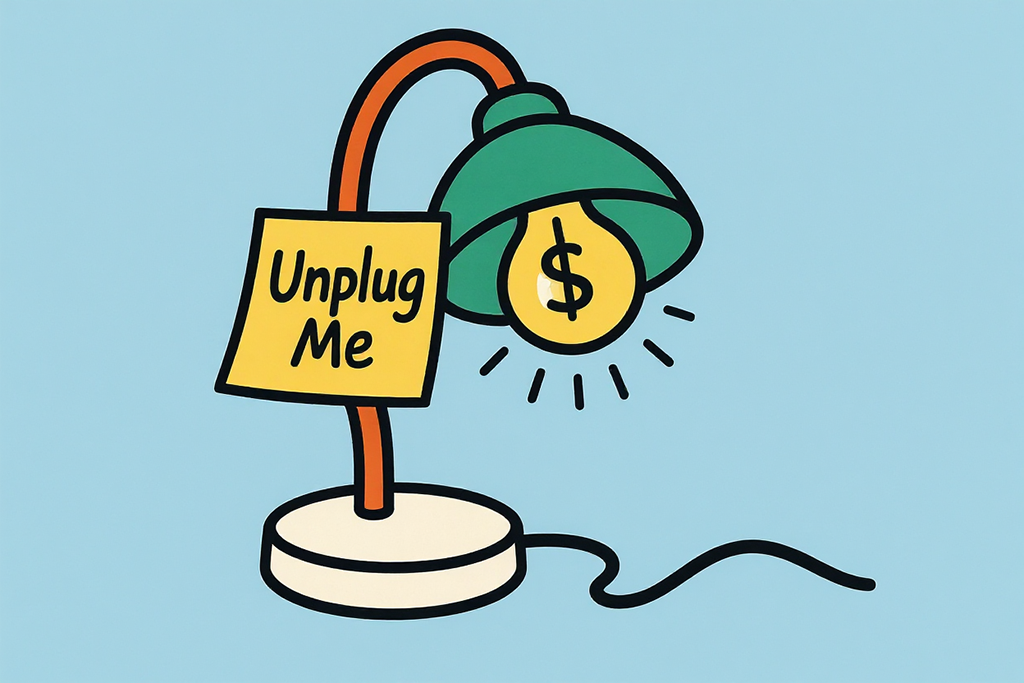
High utility bills can crush your monthly budget faster than you think. The average American household pays about $137 per month for electricity alone. That’s over $1,600 a year just to keep the lights on and the AC running.
But here’s the good news: you don’t have to accept sky-high energy costs as a fact of life. Simple changes to how you use energy at home can save hundreds of dollars each year. Plus, when you cut energy use, you’re also helping the planet by reducing carbon emissions.
This guide gives you proven ways to trim your electricity, gas, and water bills. We’ll cover easy habits you can start today, smart appliance tips, and home upgrades that pay for themselves. Ready to take control of those monthly bills? Let’s get started.
Starting Smart: Know Where Your Money Goes
Get an Energy Audit
Before you start making changes, find out where your home wastes energy. Many utility companies offer free or cheap home energy audits. An expert will check for energy leaks around windows, doors, and ducts. They’ll also suggest fixes and upgrades that make sense for your home.
Don’t have access to a professional audit? You can do it yourself using guides from the U.S. Department of Energy website. Look for drafts around windows and doors. Check if your attic has enough insulation. Feel for hot or cold spots near air vents.
The best part about energy audits? Following their advice can cut your bills by 5% to 30%. That’s real money back in your pocket every month.
Shop for Better Energy Rates
Your current energy provider might not offer the best deal. Take time to compare rates from different companies in your area. Websites like InMyArea or Power To Choose (if you live in Texas) make this easy.
Some providers offer cheaper rates during off-peak hours. Run your dishwasher, washing machine, and other big energy users during these times to save money. Ask your electric company about rebates for energy-saving upgrades or help programs if money is tight.
If you rent an apartment, look into community solar programs. These let you buy clean energy that can lower your overall costs. It’s like having solar panels without installing them on your roof.
Master Your Heating and Cooling Costs
Heating and cooling eat up more than half of most utility bills. Get this right, and you’ll see the biggest savings on your monthly statements.
Take Control of Your Thermostat
Your thermostat is your best friend for saving money. In winter, set it to 68°F or the lowest temperature that feels comfortable. In summer, aim for 78°F or higher when you’re home.
Here’s a money-saving trick: adjust your thermostat by 7-10 degrees when you sleep or leave home for 8 hours or more. This simple change can save around 10% on your annual heating and cooling costs. Set your AC to 80°F when you’re away for more than 4 hours.
A programmable or smart thermostat makes this automatic. You can control it from your phone and set it to warm up or cool down your home before you return. Just make sure your thermostat isn’t in direct sunlight or near drafts, which can mess up its readings.
Stop Air Leaks and Add Insulation
Warm or cool air escaping through gaps is like throwing money out the window. Check around windows, doors, floors, and baseboards for drafts. You can often feel these leaks with your hand or see curtains move when air passes through.
Fix small gaps with weather stripping or caulk from the hardware store. Both are cheap and easy to install yourself. Professional draft-proofing costs more but can save around $80 per year on energy bills.
Hang thermal curtains or blinds to block heat loss in winter and heat gain in summer. Add insulation to your attic if it looks thin or patchy. Check your HVAC ducts for leaks and seal them with duct tape or mastic.
If you have a fireplace you don’t use, keep the damper closed or seal the chimney flue. An open damper is like having a window open 24/7.
Keep Your HVAC System Happy
A well-maintained heating and cooling system runs more efficiently and lasts longer. Clean or replace air filters every 1-3 months, or whenever they look dirty. Clogged filters make your system work harder and use more energy.
Schedule professional HVAC maintenance once a year. A technician will clean parts you can’t reach and catch small problems before they become expensive repairs. Keep the outside AC unit free from leaves, grass, and other debris. Shade it from direct sun if possible.
Use Smart Heating and Cooling Habits
Ceiling fans and portable fans can make rooms feel 4-6 degrees cooler, letting you set the AC higher. Just remember to turn fans off when you leave the room since they cool people, not spaces.
Leave window curtains and blinds open during cold weather. This will give your in-home heating a little help from the sun. On warm weather days, leave the blinds closed when you’re not at home.
Turn down radiators in rooms you don’t use, and make sure furniture isn’t blocking airflow. Install radiator reflector panels behind radiators on outside walls to bounce heat back into the room.
If you have a combi boiler, set the flow temperature to 60°C or below. This simple adjustment can save money without affecting comfort. Consider using a portable electric heater for single rooms instead of heating your whole house, especially if you work from home.
Cut Hot Water Costs
Hot water is usually the second-biggest energy expense in your home. Small changes here add up to real savings.
Adjust Your Water Heater Settings
Most water heaters come set to 140°F, but you can lower this to 120°F without affecting comfort. This change alone can cut water heating costs by 4% to 22% annually, saving $36 to $61 per year. If your dishwasher has its own heater, 120°F water is usually hot enough.
Wrap your hot water tank with an 80mm thick insulation jacket to save up to $40 per year. Insulating hot water pipes saves another 3% to 4% on heating costs. Drain your tank regularly to remove sediment that makes it work harder.
For long-term savings, consider a tankless water heater when your current one needs replacing. These units are 35% to 45% more efficient and provide hot water on demand without keeping a big tank heated all day.
Use Hot Water More Wisely
Shorter showers are one of the easiest ways to save money. Cutting shower time to four minutes can save around $60 per year for a typical household. Even reducing shower time by two minutes saves 5 gallons of water each time.
Take showers instead of baths when possible. Swapping one bath per week for a four-minute shower saves $9 to $10 annually. Install low-flow showerheads that use no more than 2 gallons per minute. Look for the WaterSense label to ensure quality.
Add faucet aerators to bathroom and kitchen sinks. These reduce water flow without affecting pressure and can save around $20 per year. Fix leaky faucets and toilets quickly, since a single dripping faucet wastes over 3,000 gallons per year.
Always turn faucets off completely after use to avoid wasting hot water. This seems obvious, but loose handles can leave hot water running slowly, wasting energy and money.
Optimize How You Use Appliances
Your appliances and electronics can quietly drain energy even when you’re not using them. Here’s how to stop the waste.
Unplug Energy Vampires
Do you really need a phone charger in every room of your home?
Devices left plugged in or on standby mode drain power constantly. This “phantom energy” accounts for 5% to 10% of home energy use and can cost $45 to $100 per year. Common culprits include smart speakers, cable boxes, TVs, microwaves, and phone chargers. Do you really need a phone charger in every room of your home?
Unplug devices when you’re not using them or when they’re fully charged. Use power strips with on/off switches to cut power to multiple devices at once. Smart power strips automatically cut standby power to devices that aren’t in use.
This habit takes a few seconds but adds up to real savings over time. Get your family involved so everyone helps reduce phantom energy use.
Choose Energy-Smart Appliances
When buying new appliances, look for the Energy Star label. These models use significantly less energy and water than standard versions. The upfront cost is usually worth it for the long-term savings.
Set your refrigerator to 35°F to 38°F and your freezer to 0°F to 5°F. Keep both appliances full since they work more efficiently when packed. Clean refrigerator coils once a year to help them run better.
Full refrigerators and freezers use less energy because the stored items help maintain temperature when you open the door. If your fridge is mostly empty, fill space with water jugs.
Master Kitchen Energy Savings
Only boil as much water as you need in the kettle. This simple habit can save about $10 per year. Use your dishwasher’s air-dry setting or open the door after the final rinse to let dishes dry naturally instead of using heated drying.
Run your dishwasher only when it’s full. Modern dishwashers actually use less water than hand-washing dishes, so don’t feel guilty about using them. Just wait until you have a full load.
Preheat your oven only when recipes require it, and avoid opening the oven door frequently while cooking. Each peek can lower the temperature by 25 degrees. Use smaller appliances like microwaves, toasters, air fryers, or slow cookers instead of the oven when possible. They use less energy and don’t heat up your kitchen in summer.
Make Laundry More Efficient
Wash clothes in cold or warm water instead of hot. Heating water uses about 90% of your washing machine’s energy, so this change makes a big difference. Modern detergents work well in cold water and help preserve fabric colors.
Always run full loads in your washing machine, or use the half-load setting for smaller batches. Give clothes an extra spin cycle to remove more water before drying.
Skip the dryer whenever possible and line-dry clothes outside or on racks inside. This can save up to $50 per year. When you do use the dryer, clean the lint trap after every load to improve efficiency and prevent fires. Have your dryer vent cleaned regularly for the same reasons.
Light Your Home for Less
Lighting accounts for 11% to 15% of the average household’s electricity use. Smart lighting choices can trim this cost significantly.
Use Lights Wisely
Turn off lights when leaving a room. This basic habit can save $7 to $8 per year, and every dollar counts. Teach kids to flip the switch when they leave their bedrooms or playrooms.
Make it easier by putting light switches in obvious places and using reminder notes until the habit sticks. Consider motion sensors for bathrooms, closets, and other areas where people often forget to turn off lights.
Upgrade Your Bulbs
Replace old incandescent bulbs with LED or CFL bulbs. LEDs use 75% to 90% less energy than traditional bulbs and last 15 to 25 times longer. This can save around $225 per year for the average home.
Look for Energy Star labeled LED bulbs for the best efficiency and quality. Clean bulbs regularly since dust reduces light output. Use one higher-wattage bulb instead of two lower-wattage bulbs when possible for general lighting.
LEDs cost more upfront but pay for themselves quickly through lower energy use and longer life. They also produce less heat, which helps keep cooling costs down in summer.
Make the Most of Natural Light
Open curtains, blinds, and shades during the day to reduce your need for artificial lighting. Use light-colored furniture and strategically placed mirrors to reflect and spread natural light throughout rooms.
Keep furniture away from windows so it doesn’t block sunlight. Paint walls in light colors to help bounce daylight around your home. These changes cost little but can significantly reduce daytime lighting needs.
Add Smart Lighting Controls
Install dimmer switches to adjust brightness and save electricity. Use timers and motion sensors to automatically turn lights on and off as needed. These controls prevent lights from staying on unnecessarily and can reduce lighting costs by 20% to 60%.
Smart bulbs let you control lights from your phone and set schedules. While they cost more than regular LEDs, they offer convenience and can help reduce energy waste from forgotten lights.
Long-Term Investments That Pay Off
Some energy-saving improvements require upfront investment but deliver years of savings.
Consider Solar Power
Solar panels can dramatically cut electricity costs and provide free energy after paying for themselves, usually within 6 to 12 years. Federal and state tax incentives and rebates can reduce installation costs significantly.
Even if you can’t install panels, community solar programs let you buy clean energy that may cost less than traditional electricity. Research options in your area to see if solar makes financial sense for your situation.
Plan Home Improvements Wisely
When appliances break, replace them with Energy Star certified models for long-term savings. Upgrade to energy-efficient windows with double panes when your current windows need replacement.
Install a cool roof that reflects sunlight and absorbs less heat if you need roof work. Plant trees on the sunny side of your home to provide natural shade and lower indoor temperatures in summer.
These improvements cost money upfront but can significantly reduce energy bills for years to come. Many utilities and governments offer rebates for energy-efficient upgrades, so research available programs before starting projects.
Build Money-Saving Habits
Be mindful of overall electricity use and look for new ways to save energy. Encourage everyone in your household to adopt energy-saving habits. Make it a family challenge to reduce your monthly bill.
Use pool pumps early in the morning or overnight to avoid peak energy rates. Dress appropriately for the season instead of relying heavily on heating and cooling. Wear warm clothes in winter and light, breathable fabrics in summer.
Don’t leave bathroom or kitchen exhaust fans running longer than needed. These fans pull conditioned air out of your home and make your HVAC system work harder. Run them just long enough to remove moisture or odors.
Start Saving Today
Cutting energy costs doesn’t require a complete lifestyle overhaul. Small, consistent changes add up to substantial savings on your utility bills while helping the environment.
Pick a few tips from this guide and start implementing them today. You’ll likely notice a difference in your next monthly bill. Monitor your energy use and keep looking for new ways to make your home more efficient.
Remember, every dollar you save on utilities is money you can put toward other financial goals. Whether you want to build an emergency fund, pay off debt, or save for a vacation, lower energy bills free up cash for what matters most to you.
The best energy-saving tip is the one you’ll actually use. Start with changes that feel manageable, build the habit, then add more money-saving strategies over time. Your future self (and your bank account) will thank you.