7 Common Excuses for Not Having an Emergency Savings Account (And How to Push Past Them)
The “Oh, Crap…” Moment
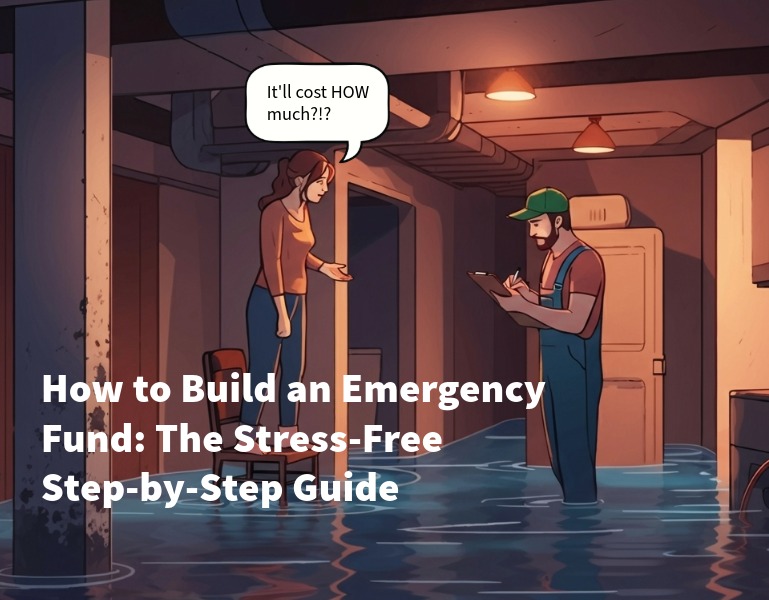
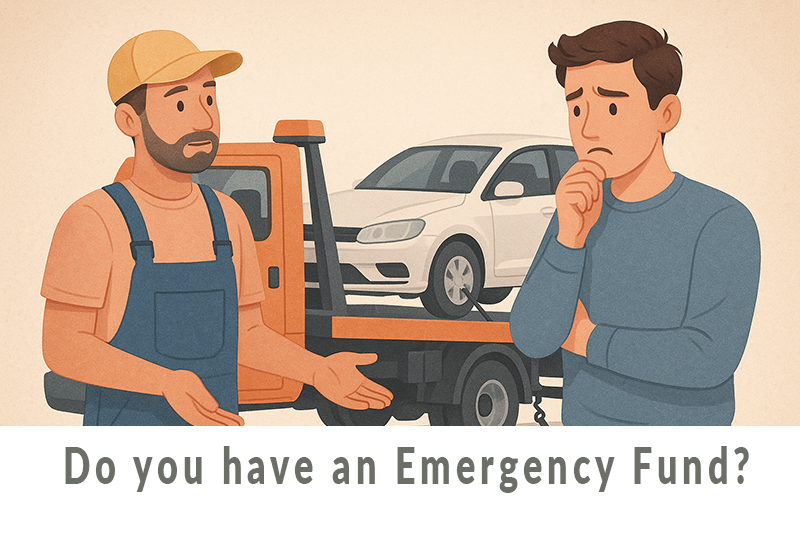
You know the feeling. Your car makes that grinding noise that definitely wasn’t there yesterday. The mechanic delivers the verdict: $1000 repair. Your stomach drops as you realize you’re about to add another chunk to your already maxed-out credit card.
We’ve all been there. 42% of Americans don’t have an emergency fund at all, and nearly 60% can’t cover a $1000 emergency expense from savings.
Here’s the uncomfortable truth: Most of us know we should have an emergency savings account. But we tell ourselves stories about why we can’t start. These aren’t really reasons, though – they’re excuses. And every single one has a solution.
The good news? You can start building financial security today, no matter which excuse has been holding you back.
Key Takeaways
- You can start an emergency fund with just $1 – the amount doesn’t matter, the habit does
- Saving while paying off debt prevents the cycle of creating new debt from emergencies
- Automatic transfers make saving painless – even $25/month builds meaningful protection
- Credit cards cost 20%+ in interest – cash emergencies are always cheaper
- Emergency funds buy you choices and peace of mind, not investment returns
- Starting today with pocket change beats waiting for the “perfect” time next month
1. “I Don’t Make Enough Money to Save”
This is the granddaddy of all emergency fund excuses. It feels so logical, so final. But here’s what’s really happening: you’re setting the bar impossibly high.
You don’t need $10,000 sitting in savings to start an emergency fund. You can literally start with $1.
The magic isn’t in the amount – it’s in building the habit. When you save $5 a week, you’re training your brain to prioritize future security over immediate spending. That $5 becomes $260 after a year. Not life-changing money, but enough to cover many small emergencies that would otherwise go on a credit card.
Start ridiculously small. Use apps that round up your purchases and save the change. Set up an automatic transfer of $10 per paycheck. Put your loose change in a jar every night. The goal isn’t to solve all your problems immediately – it’s to prove to yourself that you can save.
Here’s the reality: if you’re buying coffee, subscribing to streaming services, or eating out occasionally, you have money to save. You’re just spending it on other things first. And that’s exactly the problem we need to flip.
2. “I’ll Save Once I Pay Off My Debt First”
This excuse sounds so responsible. So disciplined. It’s also a trap that keeps you stuck forever.
When you have no emergency savings, every unexpected expense becomes new debt. Your car breaks down, so you charge the repair. Your kid gets sick, so you put the medical bill on a credit card. You’re not making progress on your debt – you’re just shuffling it around.
The solution is doing both at the same time. Financial experts recommend building a small starter emergency fund ($500-1000) while making minimum payments on your debt. This breaks the cycle.
Think of it as buying insurance for your debt payoff plan. That small emergency fund prevents you from adding new debt when life happens. And life always happens.
Start with just $25 a month toward emergencies while attacking your debt. Once you’re debt-free, you can focus on building your full emergency fund. But don’t wait until then to start – waiting guarantees you’ll stay in debt longer.
3. “There’s Never Any Money Left Over”
This excuse reveals the real problem: you’re budgeting backwards.
Most people pay all their bills, buy what they want, then try to save whatever’s left. Surprise – there’s never anything left. Living paycheck to paycheck has become the norm for many Americans, but it doesn’t have to be your reality.
The fix is simple: pay yourself first. Before you pay any bills (except rent and utilities), transfer money to your emergency savings account. Even if it’s just $25.
Make it automatic. Set up a transfer from your checking to savings account for the day after you get paid. When the money disappears before you can spend it, you’ll naturally adjust your spending to what’s left.
Track your spending for one week. You’ll be shocked where your money actually goes. That daily coffee run, the subscription you forgot about, the impulse purchases at Target – these aren’t necessities. They’re choices.
Cancel one subscription. Skip the coffee shop twice a week. Buy generic brands at the grocery store. These small changes free up money you can redirect to your emergency fund without feeling deprived.
4. What If I Need That Money for Something Else?
This excuse shows you’re missing the entire point of an emergency fund.
Yes, you might need the money you’re putting in your emergency savings for something else. That’s exactly why it exists. The whole purpose is having cash available when unexpected expenses hit.
The fear here is really about “locking up” your money. But emergency funds aren’t locked up – they’re liquid. You can access the cash whenever you need it. The difference is you’re accessing your own money instead of borrowing someone else’s at 20% interest.
Set clear boundaries for what counts as an emergency. Car repairs, medical bills, job loss, major home repairs – these qualify. Wanting a new TV, planning a vacation, or seeing a sale at your favorite store – these don’t.
Keep your emergency fund in a separate savings account from your regular checking. This creates a small psychological barrier that prevents casual spending while keeping the money accessible for real emergencies.
Remember: having this money available gives you choices. Without it, emergencies make choices for you.
5. “I’ll Just Use My Credit Card for Emergencies”
This is the most expensive emergency fund you could possibly have.
Credit card interest rates hover around 24%, meaning that $1000 emergency becomes $1240 if you take a year to pay it off. And that assumes you don’t add any other charges to the card.
But the real problem goes deeper than interest rates. Credit cards can disappear when you need them most. Banks regularly cut credit limits during economic downturns or if your financial situation changes. Lose your job, and you might find your available credit slashed right when you need it most.
Cash is king during emergencies. It’s always available, never charges interest, and doesn’t require approval from a bank. When your furnace dies in January, you want to call a repair company, not hope your credit card still works.
Think of your emergency fund as buying financial peace. When unexpected expenses hit, you handle them calmly instead of panicking about how you’ll pay for everything.
The math is simple: save $1000 in cash, or pay $1200+ for the same emergency on credit. Which sounds smarter?
6. “I’ll Start Saving Next Month”
Next month never comes. And emergencies don’t wait for your convenience.
This excuse is pure procrastination dressed up as planning. You’re waiting for the perfect moment when saving will feel easy and painless. That moment doesn’t exist.
Start today with whatever you have right now. Empty your pockets and put that $3.47 in a savings account. Set up an automatic transfer for $5 from your next paycheck. The amount doesn’t matter – the action does.
“We’re just not wired to save,” according to behavioral finance experts. Our brains focus on immediate needs, not future problems. Starting small overcomes this natural tendency.
Every day you wait is another day you’re vulnerable to financial emergencies. Every day you wait is another day that small amounts of money could be building your security.
Stop planning to start and just start. Your future self will thank you when that first emergency hits and you’re prepared instead of panicked.
7. “Emergency Savings Accounts Don’t Earn Enough Interest”
This excuse completely misses the point of emergency funds.
Yes, money sitting in a savings account earning 2-3% isn’t going to make you rich. But that’s not why it’s there. Emergency funds are insurance, not investments.
You don’t complain that your car insurance doesn’t pay dividends. You buy it for protection, not profit. Your emergency fund works the same way – it protects you from financial disasters.
High-yield savings accounts still beat credit card interest rates by a huge margin. Earning 3% on your emergency fund while avoiding 24% credit card debt is an incredible return on investment.
The real value isn’t the interest you earn – it’s the expensive debt you avoid and the stress you prevent. That peace of mind is worth more than any investment return.
Breaking Free From Emergency Savings Account Excuses
These excuses feel real because they address genuine fears about money. Fear of not having enough, fear of making the wrong choice, fear of missing out on something better.
But here’s the truth: every day you don’t have an emergency fund, you’re taking a massive financial risk. You’re betting that nothing unexpected will happen, and that’s a bet you’re guaranteed to lose eventually.
Pick one excuse you’ve been making and choose the smallest possible first step. If you don’t make enough money, start with $1. If you’re waiting for next month, transfer $5 today. If you’re worried about access, open a separate savings account this week.
The Miser’s Guide exists to help you build financial security one smart decision at a time. An emergency savings account isn’t just about money – it’s about buying yourself choices when life gets messy.
Stop making excuses and start making progress. Your future self is counting on the decisions you make today.