Avoid Holiday Spending Debt and the January Credit Card Hangover
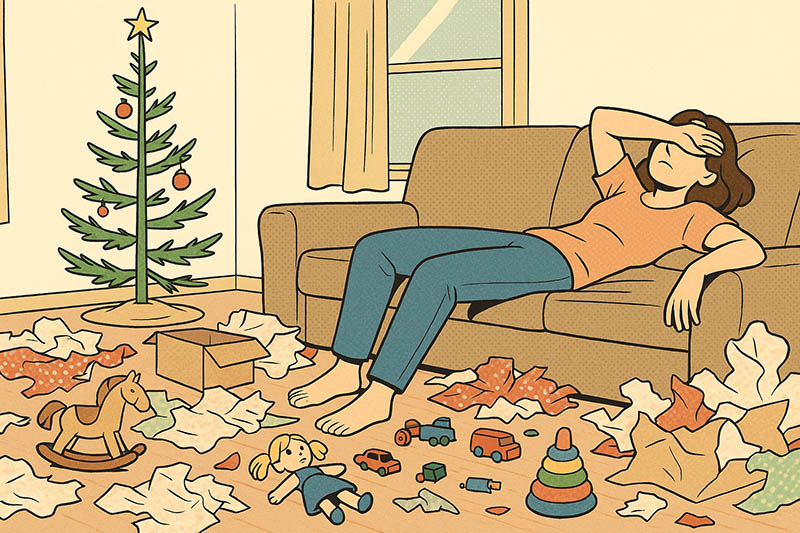
Picture this: It’s January 3rd, you’re nursing a financial hangover worse than New Year’s morning, and your credit card statement looks like you went on a month-long shopping bender. Sound familiar? You’re not alone. The holiday spending hangover is real, and its symptoms include statement shock, buyer’s remorse, and January budget blues that can last for months.
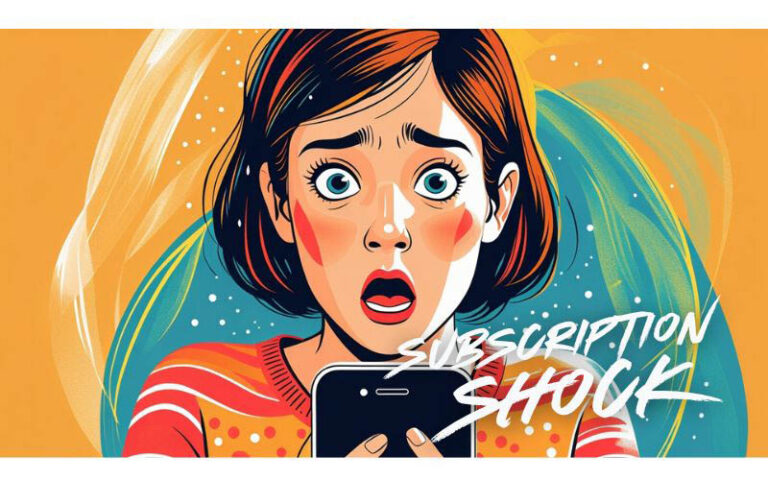
Just like that extra glass of spiked eggnog seemed like a good idea at the time, those “perfect” gifts and last-minute splurges felt justified in December’s festive haze. But now you’re facing the harsh reality of what financial experts call “Santa Shock” – that sinking feeling when you realize you’ve spent more than you intended.
Here’s the thing: the hair of the dog that bit you doesn’t work for finances. You can’t spend your way out of holiday debt. But with the right approach, you can prevent that January financial hangover entirely. And if you’ve already overindulged this season? We’ve got proven hangover remedies to help you recover faster.
Key Takeaways
- Set a realistic holiday budget before the spending party starts
- Track expenses in real-time to pace yourself through the season
- Know your financial limits like you know your alcohol tolerance
- Use smart payment strategies to avoid mixing your “financial liquors”
- Have a hangover remedy plan ready if spending gets out of hand
The best hangover cure is prevention, and the best time to start preventing next year’s holiday spending hangover is right now.
Know Your Holiday Spending “Tolerance” – Setting a Realistic Budget
Your holiday spending capacity is completely unique to your situation. What works for your friend who makes six figures won’t work if you’re managing a tighter budget. The key is knowing your limits before you start spending.
A good rule of thumb is to spend no more than 1-2% of your annual income on holidays. If you make $50,000 a year, that’s $500-$1,000 total. Sounds tight? Remember, this covers everything, not just gifts.
Let’s break down where your holiday budget actually goes. Most people think “holiday spending” means gifts, but that’s like thinking a cocktail is just vodka. Here are all the ingredients that go into your holiday spending mix:
Gifts typically eat up 65% of your holiday budget. This includes family, friends, coworkers, teachers, and that Secret Santa exchange you forgot about until last week.
Food and entertaining can surprise you. Those ingredients for homemade cookies, the extra groceries for hosting dinner, and yes, the makings for that famous spiked eggnog all add up faster than you think.
Travel and accommodations hit hard if you’re visiting family. Gas, flights, hotel stays, and eating out while traveling can easily cost more than all your gifts combined.
Decorations and holiday prep might seem small, but between lights, wreaths, and that new ornament collection, these expenses sneak up on you.
Tips for service providers during the holidays are thoughtful but often forgotten in budgets. Your mail carrier, doorman, babysitter, and regular service providers all deserve recognition.
Holiday cards and postage seem minor until you’re buying stamps for 50 cards at current postal rates.
Miscellaneous holiday spirits – those little extras that always pop up. Gift wrap, batteries for toys, last-minute hostess gifts, and impulse purchases that seem to multiply like holiday cookies.
How to Avoid Holiday Spending Debt Before the Party Starts
The best time to prevent a hangover is before you start drinking. Same goes for holiday spending. If you’re reading this in October or November, you’re ahead of the game. Create a separate holiday savings account and start putting away $20-50 a month. Think of it like stashing away bottles for a special occasion – you’ll be grateful you planned ahead.
Don’t Mix Your “Holiday Liquors” – Smart Payment Strategies
Here’s a truth that applies to both drinking and spending: don’t mix your liquors. Each payment method has its place, and using them strategically can prevent financial disaster.
Cash works best for small purchases because it keeps you conscious of what you’re spending. When you hand over actual bills, your brain registers the loss differently than swiping a card. This way you’ll stay more aware of your consumption.
Credit cards make sense for larger purchases because they offer protection and rewards. But here’s the crucial part: only use credit if you have an immediate payoff plan. Don’t carry credit card balances into January.
Avoid “buy now, pay later” services during the holidays. These might seem harmless, like accepting a drink from a friend, but they add up fast. A survey found that 38% of people using these services missed payments, and nearly three-quarters saw their credit scores drop. If you wouldn’t buy the item with cash in hand, skip it.
The envelope method works like having a spending designated driver. Take out your budgeted cash for each category – gifts, food, entertainment. When an envelope is empty, that category is done. No exceptions, no borrowing from other envelopes. The party’s over for that expense type.
Credit card rewards can be your best friend when used wisely. Many cards offer higher cash back rates during the holidays or special bonus categories. Let these rewards do the heavy lifting, but remember – rewards don’t matter if you’re paying interest on balances you can’t pay off immediately.
Pace Yourself Through the Holiday Season
Holiday spending doesn’t happen all at once – it comes in waves. Black Friday kicks things off, then there’s the steady December buildup, followed by last-minute Christmas week panic buying. Learning to pace yourself through these phases is like spacing out drinks at a party.
Track your expenses in real-time. Many people wait until January to face the music, but that’s like not checking how much you’ve had until you’re already stumbling. Use your phone’s notes app, a simple spreadsheet, or even old-fashioned pen and paper. Log every purchase as it happens.
Recognize the signs you’re overindulging financially. These warning signs are as clear as slurred speech: justifying “just one more” purchase, losing track of your running total, shopping while emotional, or using multiple credit cards because you’ve maxed out others.
Use the 24-hour rule for purchases over $50. This gives you time to process whether you really need something. Sleep on it, and if you still want it tomorrow, go ahead. You’ll be amazed how many impulse purchases seem less appealing after a good night’s sleep.
Shop early to avoid holiday pricing pressure. Retailers know desperate shoppers pay premium prices. Last-minute shopping means you’ll pay more because you have no choice. Start gift shopping in October and November when you can compare prices and think clearly.
Beware of holiday marketing peer pressure. Those “limited time” sales create false urgency. Remember, there will always be another sale. Real scarcity is rare – most “limited time offers” return repeatedly throughout the season.
Recognize When You’re Getting “Tipsy” with Spending
Recognizing the warning signs of overspending can save you from a rough morning-after. Watch for these red flags: avoiding checking your account balances, using multiple credit cards in one shopping trip, or finding yourself at the store without a list, buying whatever looks good. These are all signs that you have a problem.
Holiday Hangover Remedies – If You’ve Already Overindulged
Sometimes despite your best intentions, you wake up to discover you’ve had one too many shopping sprees. Don’t panic. Like any hangover, there are proven remedies to help you feel better faster.
First aid for overspending: Stop immediately. No more purchases, no matter how good the post-Christmas sales look. Assess the damage by gathering all your receipts, checking your credit card balances, and calculating exactly how much you overspent. This might feel awful, like staring at yourself in the mirror after a rough night, but you need to know where you stand.
Start your spending detox by returning what you can. That impulse purchase that seemed perfect at 11 PM on December 23rd? Take it back. Store credit still counts – it reduces what you owe. Don’t feel guilty about returns; stores expect them after the holidays.
Consider debt consolidation if you’re facing high interest charges. A personal loan or balance transfer to a lower-rate card can ease you through your recovery. Look for 0% APR balance transfer offers, but make sure you can pay off the balance before the promotional rate expires.
Create a January austerity budget for your recovery period. This is the “bland foods and lots of water” approach for your finances. Cut discretionary spending temporarily and redirect every extra dollar toward your holiday debt.
Don’t try the financial equivalent of “hair of the dog.” Retail therapy to make yourself feel better about overspending is like drinking more alcohol to cure a hangover – it only makes things worse. Resist the urge to shop your feelings.
Focus on paying off the highest interest debt first. Your highest interest credit card debt is your harshest symptom and should be tackled first. Attack the most expensive debt aggressively while making minimum payments on everything else.
Prevention is the Best Medicine – Planning for Next Year
The best hangover cure is prevention, and the best time to start preventing next year’s holiday spending hangover is right now. While this year’s expenses are fresh in your memory, use that insight to plan better.
Start saving immediately by setting up automatic transfers. Even $25 a month gives you $300 by next December. When the time comes to start the Holiday Spending Party again, you’ll be prepared instead of desperate.
Review this year’s spending patterns honestly. What led to overspending? Was it last-minute shopping, emotional purchases, or simply not having a budget? Identify your triggers so you can plan around them next year, and avoid Holiday Spending debt altogether.
Create gift lists throughout the year during sales. When you see the perfect gift for someone in March, buy it then instead of waiting for December when selection is limited and prices are higher. This spreads out the financial impact and reduces holiday stress.
Set up a dedicated holiday savings account that’s separate from your regular savings. This mental separation helps you avoid “borrowing” from holiday funds for other expenses. Some banks even offer Christmas Club accounts designed specifically for this purpose. Avoid dipping into your Emergency Fund for the sake of gift shopping.
Remember the real goal: enjoying the holidays, not surviving the aftermath. The best holidays aren’t measured by how much you spent but by the memories you created. A modest celebration that doesn’t break your budget beats a lavish one that haunts you until spring.
Your Financial Designated Driver
Holiday spending debt is completely preventable with the right approach. Think of your budget as your designated driver – it keeps you safe and gets you home without regret. Set realistic limits, pace yourself through the season, and use smart payment strategies that protect your financial health.
If you’ve already overindulged this year, don’t despair. There are proven remedies to help you recover faster and get back on track. The key is taking action immediately, not waiting until the pain gets worse.
Start planning for next year today. Your January self will thank you for being the responsible one who prevented a financial hangover. And next holiday season, you’ll be the friend helping others avoid their own spending mistakes.
The holidays are about joy, gratitude, and spending time with people you care about. Don’t let financial stress steal that joy. Plan smart, spend wisely, and wake up in January feeling refreshed instead of regretful.