Different Types of Bank Accounts (And How They Actually Work)
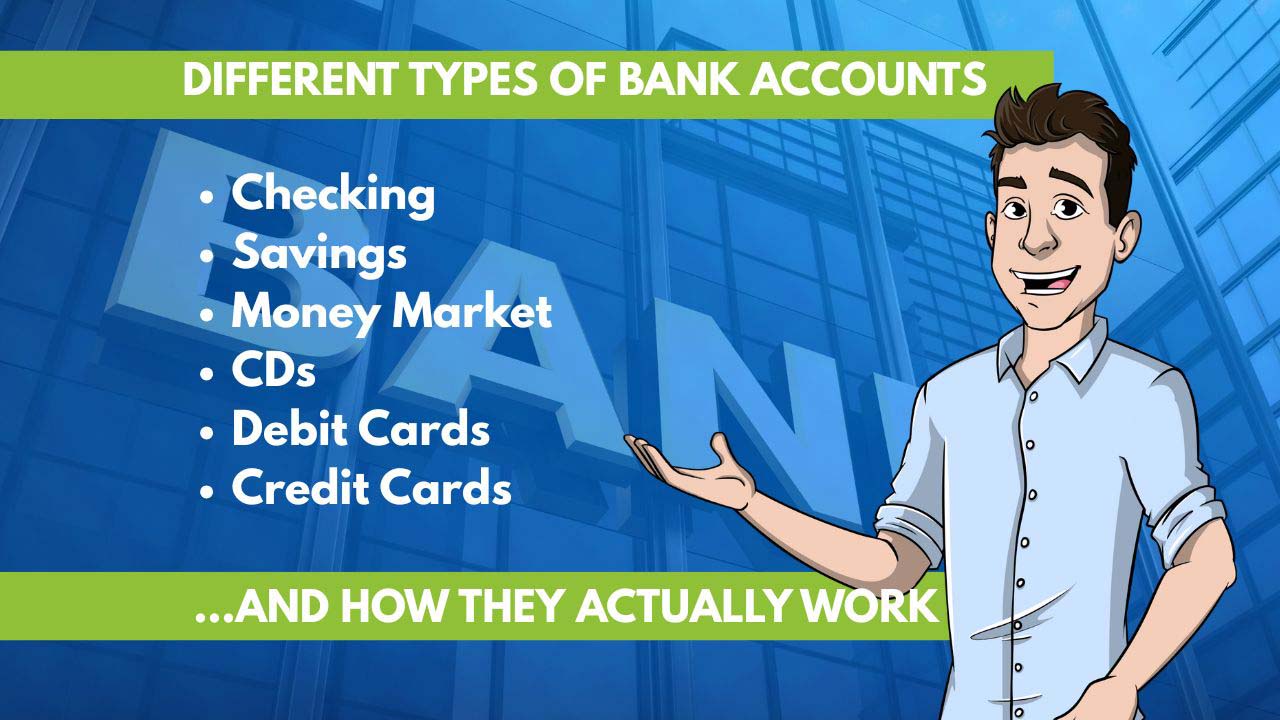
Walk into any bank and you’ll face a bewildering menu of account options. Checking, savings, money market, CDs – each with their own rules, rates, and restrictions. Most people end up choosing randomly or sticking with whatever their parents had.
That’s a mistake that costs you money and missed opportunities.
Understanding the different types of bank accounts isn’t about memorizing banking jargon. It’s about matching the right tools to your actual financial needs. Some accounts excel at daily spending. Others maximize your savings growth. A few offer the perfect middle ground.
Here’s everything you need to know about different types of bank accounts and exactly which ones belong in your financial toolkit.
Key Takeaways
- Checking accounts handle daily spending and bill paying with easy access to your money
- Savings accounts earn interest while keeping funds accessible for goals and emergencies
- Money market accounts combine checking features with higher interest rates
- Certificates of deposit (CDs) offer the highest rates in exchange for locking up your money
- Most people need at least two accounts: one checking and one savings account
Checking Accounts: Your Financial Command Center
Think of your checking account as mission control for your money. This is where paychecks land, bills get paid, and daily expenses happen.
Checking accounts generally don’t earn interest, and the ones that do tend to offer very low interest rates. But that’s not the point. You’re trading earnings potential for instant access and convenience.
What makes checking accounts special:
- Unlimited transactions and transfers
- Debit card for purchases and ATM access
- Check-writing privileges for old-school bill paying
- Online and mobile banking features
- Direct deposit capabilities
Perfect for: Daily spending, bill payments, emergency cash access, and receiving your paycheck.
Watch out for: Monthly maintenance fees if you don’t meet minimum balance requirements. Shop around – many banks offer fee-free checking with basic requirements like direct deposit.
Real-world example: Keep enough in checking to cover two to four weeks of expenses plus a small buffer. If you spend $3,000 monthly, aim for $2,000-3,500 in checking. Everything else should work harder for you in other account types.
Savings Accounts: Where Your Money Actually Grows
Your savings account serves a different purpose entirely. While checking accounts prioritize access, savings accounts prioritize growth.
Savings accounts are primarily used for saving and growing your money through interest earnings. Even basic savings accounts outperform checking accounts for storing money you don’t need immediately.
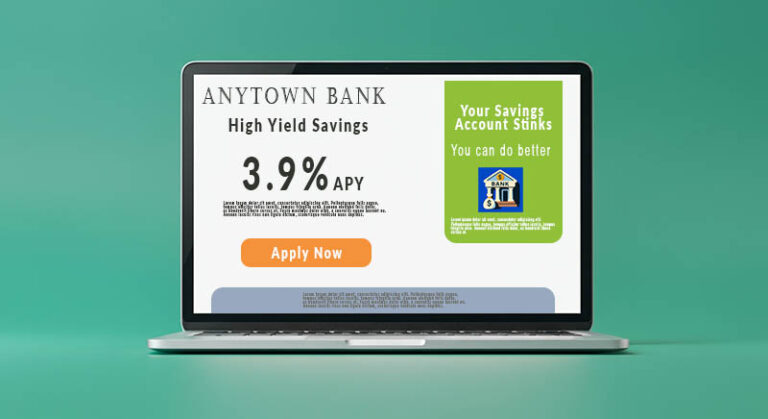
High-yield savings accounts deserve special attention. The best savings accounts have rates around 4% APY or higher, compared to the national average of just 0.40%. That difference adds up fast.
What savings accounts offer:
- Interest earnings on your deposits
- FDIC insurance up to $250,000 per depositor
- Easy transfers to checking when needed
- Online account management
- Goal-tracking tools at many banks
- Protects the bulk of your balance from debit card fraud
Perfect for: Emergency funds, short-term savings goals, money you want to grow but might need within a few years.
The limitation: Most banks limit the number of withdrawals you can make from a savings account in a month, typically to six transactions. Exceed this and you’ll face fees.
Smart strategy: Use high-yield online savings accounts for maximum growth. Online banks can offer higher rates because they have lower overhead costs than traditional banks.
Miser’s Quick Tip
The Emergency Fund Location Strategy: Keep your emergency fund in a high-yield savings account at a different bank than your checking account. The extra step to access it prevents impulse spending while still keeping it available for real emergencies.

Money Market Accounts: The Best of Both Worlds
Money market accounts occupy the sweet spot between checking and savings accounts. Money market accounts pay interest, like a savings account, but some also have check-writing features and often come with a debit/ATM card.
This hybrid approach makes them ideal for specific situations where you want both growth and access.
Money market advantages:
- Higher interest rates than regular savings accounts
- Check-writing privileges (usually limited to 3-6 per month)
- Debit card access for purchases and ATM withdrawals
- FDIC insurance protection
- No fixed terms or early withdrawal penalties
The trade-offs: Higher minimum balance requirements and transaction limits similar to savings accounts.
Perfect for: Emergency funds where you want growth but need guaranteed access, medium-term savings goals, or as a parking spot for large sums while you decide on investments.
When it makes sense: If you can maintain the minimum balance and want earning potential with more flexibility than a traditional savings account offers.
Certificates of Deposit: Set It and Forget It Savings
CDs operate on a simple principle: agree to leave your money untouched for a specific period, and the bank rewards you with higher interest rates.
CDs typically offer higher interest rates compared to regular savings or money market accounts. Generally, the longer a CD’s term, the more interest it pays, helping offset the loss of liquidity.
How CDs work:
- Choose your term length (3 months to 10+ years)
- Lock in a fixed interest rate for the entire period
- Earn guaranteed returns with FDIC protection
- Access your money penalty-free at maturity
The commitment: Early withdrawal penalties can be substantial, sometimes wiping out months of interest earnings. Only use CDs for money you absolutely won’t need before the term ends.
Perfect for: Known future expenses (like a wedding in 18 months), money you want to grow without market risk, or creating a “CD ladder” for regular income.
CD ladder strategy: Open multiple CDs with staggered maturity dates. This gives you regular access to funds while maintaining higher interest rates.
Which Bank Accounts Do I Need? Your Personal Banking Setup
The answer depends on your financial situation, but most people benefit from a multi-account strategy.
The basic setup (minimum needed):
- One checking account for daily transactions and bill paying
- One high-yield savings account for emergency fund and short-term goals
“Most people need at least one checking account for managing daily transactions and one savings account for setting aside extra funds,” says financial attorney Leslie Tayne.
The enhanced setup (for better organization):
- Primary checking account for daily expenses
- High-yield savings for emergency fund (3-6 months of expenses)
- Additional savings account for specific goals (vacation, home down payment)
- Money market account for medium-term savings with occasional access needs
The advanced setup (for serious savers):
- Everything above plus:
- Business checking/savings if you have side income
- CD ladder for guaranteed growth on money you won’t need for 1+ years
- Joint accounts with your partner for shared expenses
Red flags that suggest you need more accounts:
- Constantly dipping into emergency savings for non-emergencies
- Struggling to track progress toward multiple savings goals
- Mixing business and personal finances
- Missing out on high-yield opportunities because everything sits in low-interest checking
Account Selection Strategy
Before opening any new account, ask yourself these questions:
Checking accounts:
- Are there monthly fees, and can I easily avoid them?
- Does the bank have convenient ATM locations or reimburse ATM fees?
- Are online and mobile banking features user-friendly?
Savings accounts:
- What’s the current interest rate, and is it competitive?
- Are there minimum balance requirements I can comfortably maintain?
- How easy is it to transfer money to checking when needed?
Money market accounts:
- Do I need the check-writing and debit card features?
- Can I maintain the higher minimum balance requirement?
- Are the transaction limits reasonable for my needs?
For CDs:
- Am I certain I won’t need this money before maturity?
- How does the rate compare to high-yield savings accounts?
- Does the term length match my financial timeline?
Debit Cards vs Credit Cards: Choosing the Right Payment Method
With a better understanding of the different types of bank accounts, you should be better equipped to decide where your money should sit. It’s also important to know how to access your money for purchases when you need it. Understanding when to use debit versus credit cards can save you money and protect your finances.
Debit cards pull money directly from your checking account. When you swipe, the purchase amount immediately reduces your available balance.
Debit card advantages:
- Spend only what you have (built-in spending control)
- No interest charges or monthly payments
- Easy cash access at ATMs
- Simple transaction tracking in your checking account
Debit card drawbacks:
- Limited fraud protection compared to credit cards
- Overdraft fees if you spend more than your balance
- No credit building benefits
- Disputes can tie up your actual money while being resolved
- No rewards earned on your regular purchases
Credit cards let you borrow money from the card issuer to make purchases. You pay back what you owe, ideally in full each month to avoid interest.
Credit card advantages:
- Strong fraud protection and dispute rights
- Build credit history when used responsibly
- Rewards programs (cash back, travel points)
- Purchase protection and extended warranties
- Emergency spending power
Credit card drawbacks:
- Easy to overspend beyond your means
- High interest rates if you carry a balance
- Potential for debt accumulation
- Annual fees on some premium cards
When to use debit:
- Daily purchases where you want automatic spending limits
- ATM cash withdrawals
- When avoiding debt is your priority
- Small purchases where rewards don’t matter
When to use credit:
- Online purchases (better fraud protection)
- Travel bookings and hotel stays
- Large purchases where dispute protection matters
- When earning rewards on categories you already spend on
- Building or maintaining your credit score
Smart strategy: Use credit cards for purchases you can afford to pay off immediately, then pay the full statement balance each month. This gives you fraud protection and rewards without interest charges.
Next Steps: Opening Your Accounts
Ready to optimize your banking setup? Here’s your action plan:
Start with the essentials: Open a fee-free checking account and high-yield savings account if you don’t already have them. This covers 80% of most people’s banking needs.
Research rates: Online banks typically offer the best savings rates. Compare options at banks like Ally, Marcus by Goldman Sachs, or Capital One 360.
Consider your goals: If you’re saving for multiple things, separate accounts can help you track progress and avoid accidentally spending vacation money on car repairs.
Don’t go overboard: More accounts mean more complexity. Only open additional accounts when they serve a specific purpose in your financial plan.
Automate transfers: Set up automatic transfers from checking to savings on payday. This removes the temptation to skip saving when you feel cash-strapped.
The goal isn’t to have the most accounts – it’s to have the right accounts working efficiently for your financial situation.
Understanding the different types of bank accounts can empower you to make informed decisions about where your money lives. Choose wisely, and your accounts become powerful tools for reaching your financial goals. Choose poorly, and you’ll pay unnecessary fees while missing out on growth opportunities.
Your money deserves better than a one-size-fits-all approach. Match your accounts to your needs, and watch your financial life become both simpler and more profitable.