How Are Credit Scores Calculated? Understanding the Key Factors
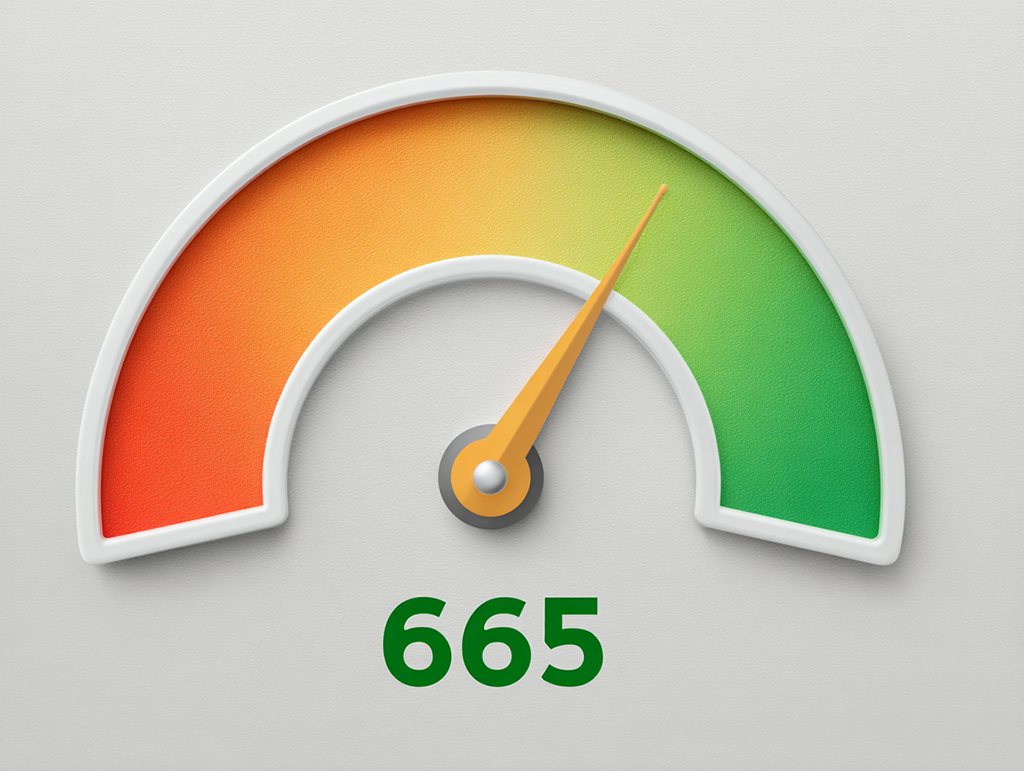
Your credit score is just three digits. But these numbers control more of your financial life than you might realize. Understanding how they’re calculated can save you thousands of dollars and open doors to better opportunities.
Most people know credit scores matter for loans and credit cards. But they also affect your car insurance rates, phone service, and even job prospects. The higher your score, the less you’ll pay for almost everything.
Your Credit Score and Why It Matters
A credit score is a number between 300 and 850. It estimates how likely you are to repay a loan and make payments on time. Think of it as your financial report card that follows you everywhere.
Banks use your score to decide if they’ll lend you money. Insurance companies use it to set your premiums. Landlords check it before renting to you. Even cell phone companies peek at your score before giving you service.
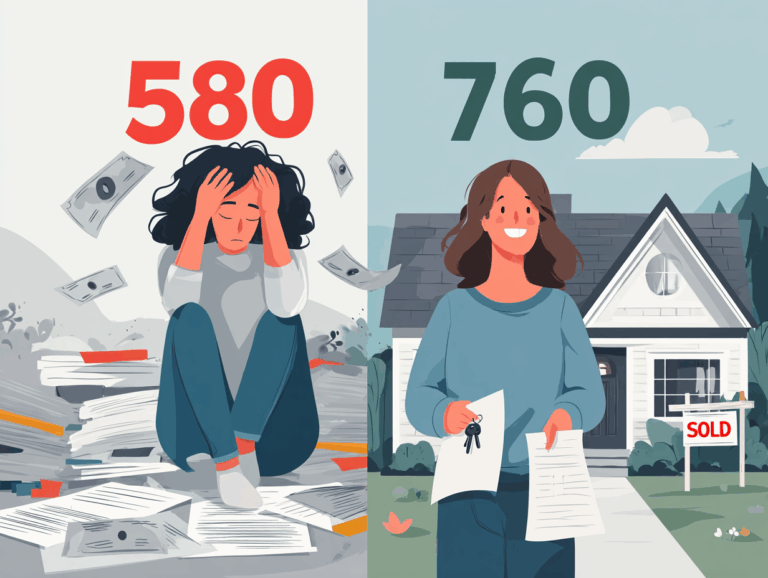
A higher score means you have “good” credit. You’re seen as less of a financial risk. This makes lenders more willing to work with you at lower interest rates. A low score makes everything harder and more expensive.
Here’s why your score matters so much. Good credit can save you tens of thousands of dollars over your lifetime. Bad credit costs you money on almost every major purchase. Understanding your score is crucial for your financial health and future planning.
The Foundation: Credit Reports and Scoring Models
Your credit score comes from your credit report. This report contains your credit history from banks, credit card companies, and other lenders. But here’s where it gets tricky.
You don’t have just one credit score. You actually have multiple scores that can vary quite a bit. Different companies calculate scores differently using different data.
Not all lenders report to all three major credit bureaus. These bureaus are Equifax, Experian, and TransUnion. One bureau might have information the others don’t. This means you could have three different credit reports and three different scores.
Two main scoring models dominate the market. FICO is the scoring system most lenders use. It’s been around the longest and is considered the gold standard. VantageScore is newer but gaining popularity with lenders.
Both models typically range from 300 to 850. Higher numbers are better. But they don’t always give you the same score for the same credit report. The math behind each model is slightly different.
The Five Key Factors in Credit Score Calculation
Credit scoring companies keep their exact formulas secret. But they do tell us the main categories they consider. Both FICO and VantageScore look at similar factors, though they weight them differently.
1. Payment History: The Most Important Factor
Payment history is the biggest piece of your credit score puzzle. FICO counts it as 35% of your score. VantageScore calls it “extremely influential” and weights it at 41%.
Lenders want to know one thing above all else. Will you pay your bills on time? Your payment history answers this question. It shows every time you’ve paid on time and every time you’ve been late.
What hurts your payment history? Late payments are the obvious one, even if you’re only 30 days behind. Accounts sent to collections are worse. Bankruptcies, foreclosures, and wage garnishments are the most damaging.
Here’s the good news. Payment history is completely under your control. Pay every bill on time, every time. This single habit will do more for your credit score than anything else.
FICO is the scoring system most lenders use. It’s been around the longest and is considered the gold standard.
2. Amounts Owed: How Much Credit You’re Using
The second biggest factor is how much debt you carry compared to your credit limits. FICO counts this as 30% of your score. VantageScore calls it “highly influential.”
This is often called your credit utilization ratio. If you have a $1,000 credit limit and a $300 balance, your utilization is 30%. Lenders prefer to see utilization below 30%. Lower is even better.
Maxing out your credit cards hurts your score badly. It suggests you’re struggling financially or don’t manage credit well. Even if you pay the full balance every month, high utilization can lower your score.
The good news is that utilization changes quickly. Pay down your balances and your score can improve within a month or two. Optimizing credit utilization is one of the fastest ways to boost your score.
3. Length of Credit History: Time Builds Trust
How long you’ve had credit accounts matters. FICO counts this as 15% of your score. VantageScore combines it with credit mix for 20% of the total score.
Credit scoring models look at several timing factors. When did you open your oldest account? When did you open your newest account? What’s the average age of all your accounts?
Generally, longer credit histories help your score. They give lenders more data to judge your creditworthiness. Someone who’s managed credit well for 10 years is seen as less risky than someone with only one year of history.
This factor is why closing old credit cards can hurt your score. It reduces your average account age and your total available credit. Keep old cards open, even if you don’t use them much.
4. New Credit: Don’t Apply Too Often
Opening several new credit accounts quickly can hurt your score. FICO counts new credit as 10% of your score. VantageScore calls it “moderately influential.”
When you apply for credit, the lender does a “hard inquiry” on your credit report. Each hard inquiry can lower your score by a few points. Too many inquiries in a short time suggests you’re desperate for credit.
But there’s an exception for rate shopping. If you’re applying for a mortgage or car loan, multiple inquiries within 14 to 45 days count as just one inquiry. The scoring models understand you’re shopping for the best rate.
Soft inquiries don’t hurt your score. These happen when you check your own credit, when companies send you promotional offers, or when existing lenders review your account.
5. Credit Mix: Different Types of Credit
Having different types of credit can help your score slightly. FICO counts credit mix as 10% of your score. VantageScore combines it with credit experience for 20% of the total.
Credit mix shows you can handle different types of debt. Revolving credit includes credit cards and lines of credit. Installment credit includes mortgages, auto loans, and student loans.
You don’t need every type of credit. But having a mix can be a small plus for your score. Don’t take on debt just to improve your credit mix, though. The benefit is minor compared to the risk of taking on unnecessary debt.
What’s NOT in Your Credit Score
Credit scores only use information from your credit report. Many factors that seem relevant are actually excluded by law or policy.
Your age doesn’t matter for your credit score. Neither does your race, religion, national origin, gender, or marital status. The Equal Credit Opportunity Act makes it illegal to consider these factors.
Your job, salary, and assets aren’t included either. Neither is where you live. The interest rates on your current loans don’t affect your score. Participation in credit counseling doesn’t hurt you.
Most utility, cable, and phone bills don’t help your score when you pay on time. They only show up if you don’t pay and the account goes to collections. Some services like Experian Boost can add these payments to help your score.
Child support and family support obligations don’t hurt your score if you’re current. But overdue support payments will show up and damage your score.
How to Improve Your Credit Score
Improving your credit score takes time and consistency. But it’s absolutely achievable if you focus on the key factors. Here’s your action plan.
Pay All Bills On Time, Every Time
This is the single most important thing you can do. Payment history is the biggest factor in your score. Set up automatic payments or calendar alerts so you never miss a due date.
Even one late payment can hurt your score. The later the payment, the more damage it does. A payment that’s 90 days late hurts more than one that’s 30 days late.
Keep Your Credit Card Balances Low
Try to use credit cards only for those purchases you would otherwise be paying cash for anyway. Those being things like gas and groceries. This is where many credit card users tend to get into trouble. Before you use a credit card for an unnecessary purchase, ask yourself, “Can I pay off this purchase before the end of the statement cycle?”.
Aim for a credit utilization ratio below 30%. Below 10% is even better. Pay down existing balances and keep them low going forward.
Here’s a pro tip: make payments before your statement closes. Credit cards typically report your statement balance to the credit bureaus. Paying early can lower the balance they report.
Optimizing credit utilization is one of the fastest ways to boost your score.
Keep Old Credit Accounts Open
Don’t close old credit cards unless you have a good reason. Closing accounts reduces your total available credit and can hurt your utilization ratio. It also reduces the average age of your accounts over time.
If an old card has an annual fee you don’t want to pay, call the company. Ask if they’ll switch you to a no-fee version of the card instead of closing it.
Apply for New Credit Strategically
Limit new credit applications, especially for credit cards. Too many hard inquiries in a short time can lower your score. Only apply for credit you actually need.
When you do need to apply for credit, do your rate shopping quickly. Multiple inquiries for the same type of loan within a short window count as just one inquiry.
Review Your Credit Reports and Fix Errors
Get your free credit reports from all three bureaus every year at AnnualCreditReport.com. Look for errors like incorrect late payments, accounts you didn’t open, or wrong personal information.
If you find errors, dispute them with the credit bureau. They have 30 days to investigate and respond. Removing errors can quickly boost your score.
Consider Adding Alternative Data
Services like Experian Boost can add on-time utility, phone, or streaming service payments to your credit history. This only affects your Experian credit score, but it can provide a quick boost.
Rent reporting services can also help if you rent your home. These services report your on-time rent payments to the credit bureaus. This is especially helpful if you don’t have much other credit history.
Be Patient with the Process
Credit score improvement takes time. Don’t expect overnight changes. Focus on building good habits and sticking with them consistently.
Negative items like late payments hurt less as they age. Most negative information falls off your credit report after seven years. Bankruptcies stay for up to 10 years.
The key is to be patient and consistent. Small improvements each month add up to significant score increases over time.
Taking Control of Your Financial Future
Understanding how credit scores work gives you power over your financial life. You’re not at the mercy of a mysterious system. You can take specific actions to improve your score and save money.
Start by getting your free credit reports and checking your current scores. Many credit card companies provide free scores to customers. Look for errors and dispute anything that’s incorrect.
Then focus on the basics. Pay every bill on time. Keep credit card balances low. Don’t apply for unnecessary credit. These habits will steadily improve your score over time.
A strong credit score is one of the most powerful financial tools you can build. It saves you money on loans, insurance, and many other services. It opens doors to better financial opportunities and gives you more choices in life.
The time you spend understanding and improving your credit score will pay dividends for years to come. Start today, be consistent, and watch your financial options expand as your score climbs higher.