How to Build an Emergency Fund: The Stress-Free Step-by-Step Guide
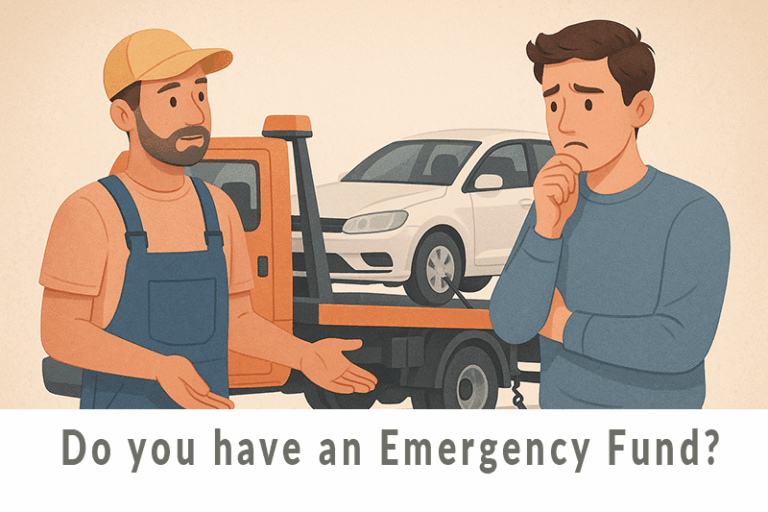
Here’s a wake-up call: 59% of Americans can’t cover a $1,000 emergency expense with savings. If you haven’t established an emergency fund and your car breaks down tomorrow or you get hit with an unexpected medical bill, you’d be joining the majority of people scrambling to figure out how to pay for it.
But here’s the thing—building an emergency fund doesn’t have to feel impossible. You don’t need thousands of dollars sitting around to get started. You just need a plan that actually works for real people with real budgets.
What Is an Emergency Fund (And Why Do You Actually Need One?)
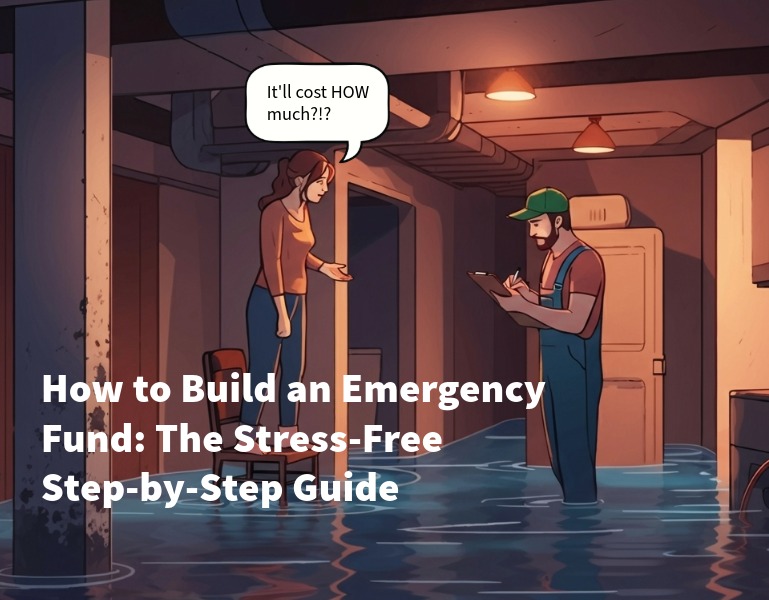
An emergency fund is money you set aside specifically for life’s unexpected curveballs. Think car repairs, medical bills, job loss, or when your water heater gives up the ghost and floods your basement.
Only 46% of U.S. adults have enough emergency savings to cover three months of expenses, which means most people are one major surprise away from going into debt.
Without an emergency fund, you’re forced to choose between bad options:
- Credit cards (hello, 25% interest rates)
- Personal loans
- Borrowing from family
- Raiding your retirement accounts
An emergency fund gives you options. It’s the difference between handling a crisis and having a crisis handle you.
Key Takeaways
- Start small: You don’t need $10,000 to begin—even $25 makes a difference
- Pick the right account: High-yield savings accounts earn 10-15x more than regular savings
- Automate everything: Set it up once and forget about it
- Build gradually: Start with $500, then work toward one month of expenses
- Know when to use it: Real emergencies vs. poor planning
The Psychology Behind Why Emergency Funds Feel Impossible
Let’s be honest—most emergency fund advice makes you want to give up before you start. “Save 3-6 months of expenses!” they shout. If you’re spending $3,000 a month, that’s $9,000-$18,000. For someone living paycheck to paycheck, that might as well be a million dollars.
Here’s what those experts get wrong: They start with the destination instead of the first step.
The real secret? Even having $2,000 in emergency savings can be just as powerful as having $1 million in assets when it comes to your financial well-being. You don’t need perfection—you need progress.
Step 1: Start Ridiculously Small ($25-$100)
Forget everything you’ve heard about emergency funds needing to be massive. Your first goal is stupidly simple: save $25.
Why $25 works:
- It’s not overwhelming
- You can probably find it in your budget today
- It proves to yourself that you can do this
- It starts building the habit
Quick ways to find $25:
- Skip two coffee shop visits this week
- Cancel one subscription you rarely use
- Sell something on Facebook Marketplace
- Pick up one small side gig (dog walking, DoorDash)
Once you hit $25, celebrate. You’re officially ahead of 24% of Americans who have zero emergency savings.
Next target: $100
This covers small emergencies like a prescription copay or minor car repair. Most people can reach this in 2-4 weeks.
Step 2: Pick the Right Account (This Actually Matters)
Your emergency fund needs a home, and not all accounts are created equal. Here’s what you need:
Must-Haves:
- Easy access (no penalties for withdrawals)
- FDIC insured (your money is protected up to $250,000)
- Separate from your checking account (so you don’t accidentally spend it)
Nice-to-Haves:
- High interest rate (your money should grow while it sits there)
- No monthly fees
- Online access
Best Account Types for Emergency Funds:
High-Yield Savings Accounts (Recommended)
- Current rates: 4.0-4.46% APY
- Examples: Marcus by Goldman Sachs, Discover Online Savings, Capital One 360
- Perfect for emergency funds—liquid but earning good interest
Standard Savings Accounts (Good Enough in a Pinch)
- Lower rates than high-yield options (typically 0.01-0.5% APY)
- Available at your local bank or credit union
- Easy to set up if you’re just getting started
What to Avoid:
- Checking accounts (too easy to spend accidentally)
- CDs (penalties for early withdrawal defeat the purpose)
- Investment accounts (emergency funds need to be safe, not risky)
Top Pick: High-Yield Savings at Online Banks
Online banks consistently offer the best rates because they don’t have expensive branches to maintain. The highest rates currently available are around 4.46% APY.
Popular Options:
- Marcus by Goldman Sachs: No minimum balance, no fees
- Discover Online Savings: Great customer service, established bank
- Capital One 360: Good mobile app, ATM access through Capital One cafes
Step 3: Automate Everything (Set It and Forget It)
The easiest way to build your emergency fund is to never think about it. Set up automatic transfers so the money moves before you even see it.
How to Set It Up:
- Start with your first goal: $25-$50 per month
- Pick a transfer day: Right after payday works best
- Set up the automatic transfer: Most banks make this easy online
- Forget about it: Let the system work
Pro tip: Start small and increase gradually. It’s easier to bump up a $25 transfer to $50 than to start with $100 and quit after two months.
If Your Income Is Irregular:
- Transfer a percentage instead of a fixed amount
- Use windfall money (tax refunds, bonuses, cash gifts)
- Save loose change and dollar bills
- Transfer money immediately after getting paid, before expenses hit
If your employer allows splitting your direct deposit, that can be even easier. Many employers let you send a portion of your paycheck directly to a separate savings account. Set up $25 or $50 to go straight to your emergency fund, and you’ll never miss money you never see in your checking account.
Step 4: Build Your Emergency Fund in Stages
Don’t aim for the full 3-6 months of expenses right away. Build in stages:
Stage 1: $500 Emergency Fund
Timeline: 2-6 months Covers: Minor car repairs, medical copays, small appliance replacements
The median amount Americans have saved for emergencies is $500, so reaching this puts you at the national average. But for the sake of your future financial wellbeing, we’re now going to aim higher.
Stage 2: $1,000 Emergency Fund
Timeline: 4-10 months Covers: Bigger car repairs, minor home repairs, larger medical bills
This is a huge milestone. Less than half of Americans can cover a $1,000 emergency expense, so you’re now ahead of most people.
Stage 3: One Month of Essential Expenses
Timeline: 6-18 months Covers: Job loss buffer, major home repairs, extended medical issues
Calculate your essential expenses: rent/mortgage, utilities, groceries, minimum loan payments, insurance. Skip the dining out and entertainment for this calculation.
Stage 4: Three Months of Essential Expenses
Timeline: 1-3 years Covers: Extended job loss, major life changes
This is the sweet spot for most people. Only 46% of U.S. adults have enough emergency savings to cover three months of expenses, so reaching this level puts you ahead of most Americans.
Stage 5: Six Months of Essential Expenses (Optional)
Timeline: 2-5 years Covers: Extended unemployment, major health issues
Consider this level if you:
- Have irregular income
- Work in an unstable industry
- Are the sole breadwinner
- Have significant health issues
Step 5: Know When to Use Your Emergency Fund (And When Not To)
Having clear rules prevents you from raiding your emergency fund for non-emergencies.
Real Emergencies:
- Medical emergencies and unexpected medical bills
- Major car repairs needed for work transportation
- Essential home repairs (heating, plumbing, roof leaks)
- Job loss or significant income reduction
- Emergency travel for family situations
NOT Emergencies:
- Vacations (even “much-needed” ones)
- Shopping sales or “great deals”
- Regular car maintenance you knew was coming
- Holiday or birthday gifts
- Home improvements or upgrades
- Wedding expenses
Can you save for these non-emergency expenses? You bet! Start a “Mad Money” fund, or a vacation fund. Just keep it separate from your emergency fund and remember which is the priority. (Hint: The Emergency Fund is the priority)
The 24-Hour Rule:
Before touching your emergency fund, wait 24 hours and ask:
- Is this truly unexpected?
- Is it necessary for health, safety, or income?
- Can I handle this any other way, without accruing debt?
After considering all 3, if you feel the expense qualifies as an emergency, use the fund. But start thinking about ways to replenish it.
What to Do After You Use Your Emergency Fund
First: Don’t panic. Emergency funds are meant to be used. That’s literally their job.
Second: Rebuild immediately. Make replenishing your emergency fund your top financial priority until it’s back to your target level.
Third: Learn from it. Was this truly unforeseeable, or something you could plan for next time? Adjust your budget accordingly.
Advanced Emergency Fund Strategies
The Two-Fund Approach:
- Immediate access fund: $1,000-$2,000 in high-yield savings
- Secondary fund: Larger amount in 3-month CDs for extended emergencies
The Tiered Interest Strategy:
- Keep one month in high-yield savings (immediate access)
- Put additional funds in higher-rate accounts with minor restrictions
Using Windfalls Wisely:
Boost your progress with:
- Tax refunds
- Work bonuses
- Cash gifts
- Insurance payouts
- Side hustle income
Common Emergency Fund Mistakes to Avoid
Mistake #1: Waiting Until You Have “Enough” Money
The fix: Start with whatever you can, even if it’s $10.
Mistake #2: Keeping It in Your Checking Account
The fix: Separate account, preferably at a different bank.
Mistake #3: Investing Your Emergency Fund
The fix: Emergency funds need to be safe and accessible, not put at risk for the sake of aggressive growth potential.
Mistake #4: Not Replacing What You Use
The fix: Immediately start rebuilding after any withdrawal.
Mistake #5: Making It Too Hard to Access
The fix: You shouldn’t need to jump through hoops in a real emergency.
Emergency Fund vs. Other Financial Goals
“Should I build an emergency fund or pay off debt?”
Build a small emergency fund first ($500-$1,000), then focus on high-interest debt. Without some emergency savings, you’ll just create more debt when life happens.
“Should I invest instead of keeping cash?”
Emergency funds aren’t investments—they’re insurance. Once you have your emergency fund established, then focus on investing additional money.
“What about my 401(k)?”
Never count retirement accounts as emergency funds. The penalties and taxes aren’t worth it, plus you’re stealing from your future self.
Taking Action: Your Next Steps
Building an emergency fund isn’t about perfection—it’s about protection. Even $500 in emergency savings puts you ahead of millions of Americans and gives you a buffer against life’s surprises.
Your action plan for this week:
- Open a high-yield savings account (takes 15 minutes online)
- Transfer your first $25 into it
- Set up automatic monthly transfers or direct deposits
- Celebrate taking control of your financial future
Remember: A small emergency fund is better than none at all. Start small, stay consistent, and let time work in your favor.
Your future self will thank you for taking this step. And when that next emergency inevitably comes, you’ll handle it like the financially prepared person you’ve become.
Disclaimer: This content is for educational purposes only and should not be considered personalized financial advice. Please consult with a qualified financial advisor before making investment decisions.