How to Create Your First Budget Without Losing Your Mind
Stop Wondering Where Your Money Went!
Have you ever checked your bank account and found yourself wondering how the heck your paycheck disappeared? You’re not the only one. Just over half of U.S. adults (52%) say that they worry daily about their finances, and 77% of Americans report feeling anxious about their financial situation. If financial worries are causing you stress or anxiety, you’re clearly not alone. It’s time to create a budget.
A budget is your roadmap to financial control. It’s the first step in your wealth-building journey. Even millionaires use budgets to stay on track. This guide will show you exactly how to create your first budget and stick to it.
What Exactly is a Budget?
A budget is a written plan for how you spend and save your money each month. Think of it as giving your paycheck marching orders before it arrives. Instead of wondering where your money went, you’ll know exactly where it’s going. Budgeting puts you in the driver’s seat. You decide what matters most. Want to save for vacation? Great. Need to pay off debt? Perfect. Your budget is the tool you need to make it happen.
You decide what matters most.
Why Budget? The Undeniable Benefits of Taking Control
Total Financial Control & Intentional Spending
With a budget, every dollar has a purpose before you spend it. No more mystery purchases or guilt over impulse buys. You’ll know exactly where your money goes, which eliminates financial stress and those “Where did I spend $200?” moments.
Maximizes Efficiency & Optimizes Your Money
Every penny gets assigned a job. Nothing falls through the cracks. This ensures your money works toward your financial goals instead of disappearing into random purchases.
Flexibility & Customization
You make the rules. Change your budget monthly based on your needs and priorities. Going to a wedding next month? Adjust your entertainment budget. Got a bonus? Decide where it goes before you spend it.
Boosts Savings & Debt Payoff
When savings and debt payments are built into your budget from day one, you make real progress. No more hoping there’s money left over at month’s end.
Forces Financial Reflection
Monthly budgeting makes you think about your spending. You’ll catch forgotten subscriptions and eliminate waste. Every purchase becomes intentional.
Perfect for Beginners
Budgeting helps you understand your spending habits fast. You’ll develop financial awareness in just a few months. It’s the perfect starting point for taking control of your money.
Reduces Stress & Builds Confidence
When you plan ahead, bills don’t surprise you. You won’t run out of money mid-month. Emergency expenses become manageable when you’re prepared.
How to Create Your First Budget: A 5-Step Beginner’s Guide
Ready to build your budget? Here’s your step-by-step roadmap.
Step 1: Calculate Your Monthly Income
Start by figuring out how much money you actually bring home.
List All Income Sources Include your salary, part-time jobs, side hustles, child support, alimony, and regular monetary gifts. Don’t forget freelance work or rental income.
Focus on Take-Home Pay Use your net income – what hits your bank account after taxes and deductions. If your paycheck shows $4,000 but you take home $3,200, use $3,200. This is your real spending money.
Handle Irregular Income If your income varies, use the lowest monthly amount from the past year. Better to budget conservatively and have extra money than fall short. You can always allocate surplus funds later.
Step 2: List All Your Expenses and Categorize Them
Time to track where your money actually goes.
Gather Your Financial Data Pull bank statements and credit card bills from the past three months. This shows your real spending patterns, not what you think you spend.
Start with Fixed Expenses These bills stay roughly the same each month: rent or mortgage, car payments, insurance premiums, and basic utilities. Write them all down with their monthly amounts.
Identify Variable Expenses These costs change monthly and often derail budgets: groceries, dining out, gas, clothing, entertainment, and personal care. Look at your bank statements to see what you actually spend.
Prioritize Your Categories Sort expenses into “needs,” “wants,” and “savings.” The Four Walls come first: food, transportation, shelter, and utilities. Everything else is secondary.
Don’t Forget Key Categories
- Savings and Debt Repayment: Treat these as essential bills, not afterthoughts
- Buffer Fund: Add $100-200 for unexpected expenses
- Annual Expenses: Divide yearly costs (like car registration) by 12 and save monthly
Estimate Realistically If you’re unsure about a category, check your past spending or set a reasonable goal. Aim for accuracy, not perfection.
Step 3: Subtract Expenses from Income (Achieve Zero-Based Budgeting)
Here’s where the magic happens – making every dollar count.
The Zero-Sum Goal In zero-based budgeting, your income minus expenses equals zero. This doesn’t mean emptying your bank account. It means assigning every dollar a job: spending, saving, investing, or debt payment.
Keep a Small Buffer Maintain $100-300 in your checking account to avoid overdrafts. This money stays put for peace of mind.
Handle a Surplus Got money left over? Great! Don’t let it sit unassigned. Direct it toward your emergency fund, debt payment, or savings goal. Every dollar needs a purpose.
Address a Deficit If expenses exceed income, you’re in the red. Time for tough choices:
- Trim wants first: Cut dining out, entertainment, and subscription services
- Boost income: Start a side hustle or sell unused items
- Adjust fixed expenses: Consider refinancing loans or finding cheaper insurance
Step 4: Track Your Spending All Month Long
This step separates successful budgeters from wishful thinkers.
Why Tracking Matters A budget without tracking is just hopeful thinking. Tracking keeps you accountable and prevents overspending before it happens.
Choose Your Method
- Apps: EveryDollar, YNAB, or your bank’s budgeting tools
- Spreadsheets: Simple and customizable
- Cash envelopes: Physical money in labeled envelopes
- Notebook: Old-school but effective
Stay Consistent Track every transaction. Do it daily, weekly, or right after each purchase. Find a rhythm that works for you.
Adjust as You Go Overspent on groceries? Move money from entertainment to balance your budget. The goal is staying within your overall spending plan.
Step 5: Review, Adjust, and Create a New Budget Every Month
Your budget isn’t set in stone – it should evolve with your life.
Monthly Reviews Are Essential Look at your budget weekly and completely refresh it monthly. Life changes, and your budget should adapt.
Plan for Specific Expenses Account for holidays, birthdays, seasonal costs (higher AC bills in summer), and annual premiums. Plan ahead so these don’t derail your budget.
Learn from Each Month Every month is a fresh start. Build on successes and learn from mistakes. Budgeting apps can duplicate previous budgets as a starting point, then adjust as needed.
Don’t save what is left after spending; instead, spend what is left after saving.
-Warren Buffet
Popular Budgeting Methods: Find Your Best Fit
Different methods work for different people. Here are the most effective options for beginners.
Zero-Based Budgeting
Every dollar gets assigned until income minus expenses equals zero. Perfect for people who want total control and maximum efficiency with their money. EveryDollar encourages users to put leftover money toward goals instead of rolling it over. The Miser’s Guide has more information about Zero-Based Budgeting
50/30/20 Rule
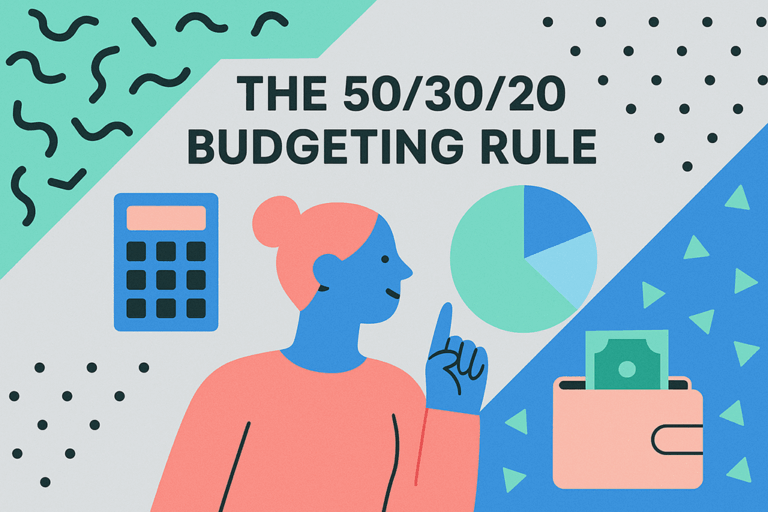
Allocate 50% to needs, 30% to wants, and 20% to savings and debt repayment. This simple framework offers flexibility while ensuring you save consistently.
Cash Envelope System
Use physical or digital envelopes for spending categories. When an envelope is empty, you stop spending in that category. Great for impulse spenders and visual learners.
Pay-Yourself-First Method
Save and invest a set amount first, then use the remaining money for expenses. Perfect for long-term savers who don’t want to mess with detailed daily tracking.
60/30/10 Budget
Similar to 50/30/20 but allows 60% for needs, 30% for wants, and 10% for savings. Works better for those with lower incomes or higher living costs.
Tips for Long-Term Success: Sticking to Your Budget
Building good habits takes time. Here’s how to make budgeting sustainable.
Stay Honest with Yourself Track actual spending and income, not what you wish they were. Reality-based budgets work better than fantasy ones.
Automate What You Can Set up automatic bill payments and savings transfers. This builds consistency and removes temptation to spend savings money.
Build Your Emergency Fund Start with $500-1,000 for true emergencies. Eventually aim for 3-6 months of expenses. Only 46% of U.S. adults have enough emergency savings to cover three months of expenses.
Choose Consistency Over Perfection Get into a routine. Regular effort beats perfect execution every time. Your first budget won’t be flawless, and that’s okay.
Plan for Irregular Expenses Save monthly for annual costs like car repairs, holiday gifts, and insurance premiums. When these “surprise” expenses hit, you’ll be ready.
Set SMART Financial Goals Make goals Specific, Measurable, Achievable, Relevant, and Time-bound. “Save money” is vague. “Save $2,000 for vacation by next December” is actionable.
Celebrate Small Wins Acknowledge progress to stay motivated. Paid off a credit card? Reached your first $1,000 in savings? These victories matter.
Make it a Team Effort If you have a partner, budget together. Set shared goals and make decisions as a team. Money discussions prevent conflicts later.
Use the Right Tools Budgeting apps simplify tracking and calculations. EveryDollar stands out for balancing accountability with ease of use, offering a strong free version and premium tools. YNAB is frequently thought of as a top choice, with its biggest caveat being cost.
Track every transaction. Do it daily, weekly, or right after each purchase. Find a rhythm that works for you.
Common Challenges: What to Watch Out For
Every new budgeter faces obstacles. Here’s how to handle them.
Time and Effort Requirements Building your first budget takes time, but it gets faster with practice. Most people can create a monthly budget in 10-15 minutes after a few months.
The Learning Curve Don’t expect perfection immediately. Refine your categories and tracking methods over time. It usually takes three months to get a handle on this whole budgeting thing.
Irregular Income Challenges Variable income makes budgeting harder but not impossible. Use conservative baseline amounts and adjust when you earn more.
Feeling Restricted Include “fun money” in your budget to avoid feeling deprived. A budget that’s too restrictive leads to rebellion and overspending.
Unexpected Expenses Create buffer categories or maintain an emergency fund. Life happens – be prepared for it.
Is Zero-Based Budgeting Right for You?
This method works particularly well if you:
- Want to maximize every dollar and eliminate waste
- Have variable income and need structure
- Prefer hands-on money management
- Are new to budgeting and want to understand spending habits quickly
- Have specific financial goals like debt payoff or saving for a house
- Recently experienced financial changes and need a fresh start
Zero-based budgeting differs from traditional methods by starting from zero each month. You justify every expense and align spending with current priorities rather than past habits.
Take Control of Your Financial Future
Zero-based budgeting empowers you to be completely intentional with money. You’ll know exactly where every dollar goes before you spend it. This isn’t just about covering bills – it’s about building the life you want.
The most powerful tool for financial success is knowing where your money goes. When you control your spending, you control your future. Whether you want to pay off debt, save for a house, or build wealth, budgeting makes it possible.
Commit to trying budgeting for at least three months. The first month will be rough. The second will be better. By month three, you’ll wonder how you ever managed money without a plan. 89% of people say budgeting has helped them get out or stay out of debt.
Start Your Budgeting Journey Today!
Download a Budgeting App Simplify the process with tools like EveryDollar for zero-based budgeting or YNAB for comprehensive financial planning. EveryDollar offers a free budgeting app that allows users to manage their finances without any cost.
Explore Free Resources Check out budget templates, worksheets, and online calculators to get started immediately.
Remember: Confidence Comes with Consistency The more you budget, the easier it becomes. Every month you’ll get better at estimating expenses and tracking spending. Why not start your journey to financial freedom right now?
Your future self will thank you for taking control today. Money stress doesn’t have to be permanent. With a budget, financial peace could be just a few months away.