New vs Used Car: Which is the Smarter Buy in 2025? (Detailed Guide)
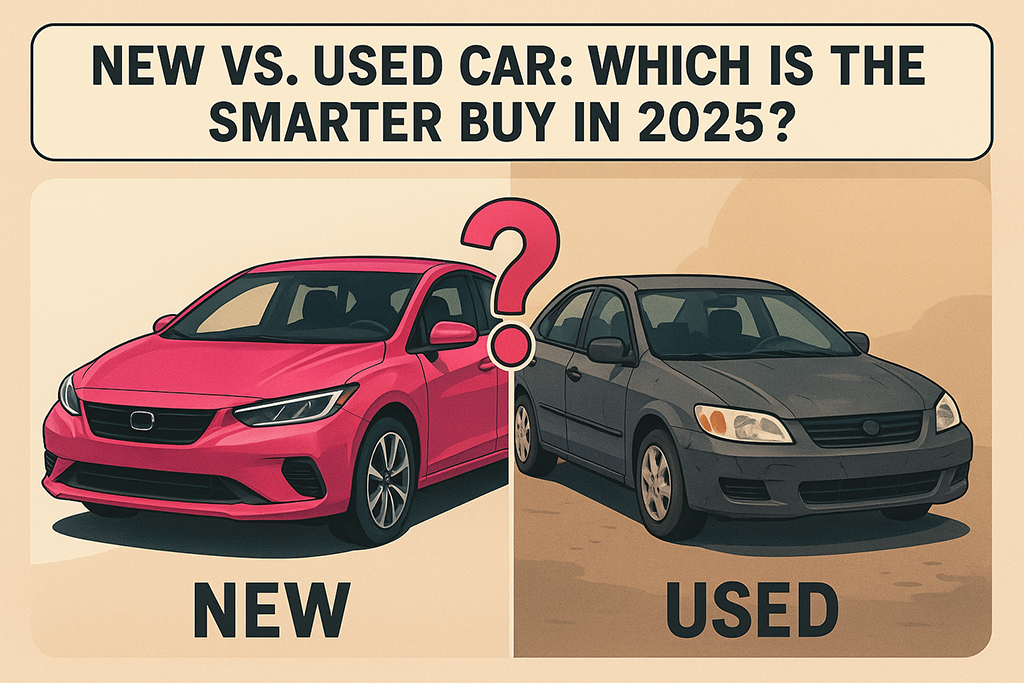
The car lot stretches before you. Shiny new models gleam under the lights. Used cars line the back rows, each with its own story. Should I buy a new or used car? That’s a loaded question, and it’s one that a lot of car shoppers agonize over.
You’re not alone in this struggle. With new car prices averaging nearly $49,000 and used cars hitting $25,500, every dollar counts. The stakes feel higher than ever in 2025’s unique market.
This guide cuts through the confusion. We’ll explore real costs, hidden benefits, and current market conditions. By the end, you’ll know exactly which path fits your wallet and needs.
Understanding Your Car Buying Options
What is a Used Car?
A used car is straightforward – any vehicle previously owned by someone else. These cars cost less upfront but come with unknowns about their past treatment and maintenance history.
What is Certified Pre-Owned (CPO)?
Certified pre-owned vehicles offer a middle ground between new and regular used cars. These aren’t just any used vehicles. CPO vehicles are often cherry-picked, have lower miles, and are cleaner vehicles with a clean history. They’re also protected against defects and expensive repairs by an extended manufacturer’s warranty.
CPO vehicles must meet strict criteria. Most programs require cars to be less than five years old with under 60,000 miles. They undergo comprehensive inspections – often 150+ points of scrutiny covering everything from engine performance to paint quality.
The benefits make CPO appealing. Extended warranties often add 12-24 months beyond the original coverage. Many programs include roadside assistance, vehicle history reports, and even scheduled maintenance. Our latest analysis shows that vehicles bought as certified pre-owned had about 14 percent fewer problems than other used cars.
But CPO costs more than regular used cars. Limited inventory can also restrict your choices in color, trim, or model options. You might need to expand your search area to find what you want.
Advantages of Buying a New Car
Complete Customization
New cars let you build exactly what you want. Choose your color, options, and trim level. No compromises on features that matter to you.
Pristine Condition
Nobody else has touched your new car. No mysterious odors, hidden damage, or unknown mechanical issues. The car comes with a completely clean slate.
Full Warranty Protection
New cars include untouched manufacturer warranties. Most cover 3 years or 36,000 miles for comprehensive issues. Powertrain coverage often extends to 6 years or 100,000 miles. Some luxury brands even throw in free scheduled maintenance.
Latest Technology and Safety
New cars pack the newest safety features. Blind-spot monitoring, adaptive cruise control, and automatic emergency braking are now standard on many models. These features can even earn you insurance discounts.
Modern cars also deliver better fuel economy and lower emissions. The growing selection of hybrid and electric options gives you more eco-friendly choices.
Better Financing Options
New car loans typically offer lower interest rates. Last month, car incentives comprised about 7.3% of the average deal, or about $3,550. Manufacturers push aggressive financing deals – sometimes 0% to 2% APR – to move inventory.
Less Shopping Hassle
Once you pick a brand, dealers can locate exactly what you want. No endless searching through classified ads or dealer lots.
Current Market Opportunities
Conditions are good for car shoppers at the moment. Many 2025 models sit on lots as 2026 vehicles arrive. This creates opportunities for discounts and better deals.
Disadvantages of Buying a New Car
Higher Purchase Price
The average transaction price for new cars is over $48,000. That’s significantly more than any used equivalent.
Immediate Depreciation Hit
This is the biggest financial drawback. New cars lose 15-25% of their value in the first year. Some estimate 20% in the first year and 10% annually for the next four years. The moment you drive off the lot, you’ve lost thousands.
Higher Additional Costs
New cars require full insurance coverage, which costs more. You’ll also pay higher sales tax on the larger purchase price. Registration fees scale with vehicle value, as well, so you’ll pay more at the DMV.
Limited Negotiation Power
Popular new models offer less room for price haggling. Some dealers add unwanted “market adjustments” or overpriced add-ons. Always question these extras.
Unknown Reliability for New Models
Brand-new model years can introduce uncertainty. Manufacturers sometimes change engines or designs, and potential issues may not surface immediately. Doesn’t it seem like we’re always hearing about new recalls?
Advantages of Buying a Used Car
Lower Purchase Price
The average used car buyer paid $25,527 in July – roughly half the cost of new cars. This dramatically reduces your upfront investment.
Slower Depreciation
Someone else absorbed the biggest depreciation hit. Used cars lose value more gradually, protecting your investment better than new vehicles.
Lower Additional Costs
Used cars typically cost less to insure. Lower purchase prices mean smaller sales tax bills. Registration fees are also reduced based on the car’s lower value.
Easier to Pay Cash
The lower price makes it more realistic to pay cash or make a substantial down payment. This reduces or eliminates monthly payments and interest costs.
Wider Selection
You’re not limited to current model years. Sometimes older designs offer features or styling no longer available in newer models. Classic body styles or discontinued trim levels become accessible.
Reliable Performance Data
Resources like Consumer Reports provide real-world reliability data for older models. You can research exactly how specific years and models have performed over time.
Value Opportunities
Older vehicles (5+ years) and Electric Vehicles (EVs) are depreciating significantly, offering potential value. Some segments present exceptional deals for informed buyers.
Disadvantages of Buying a Used Car
Unknown History
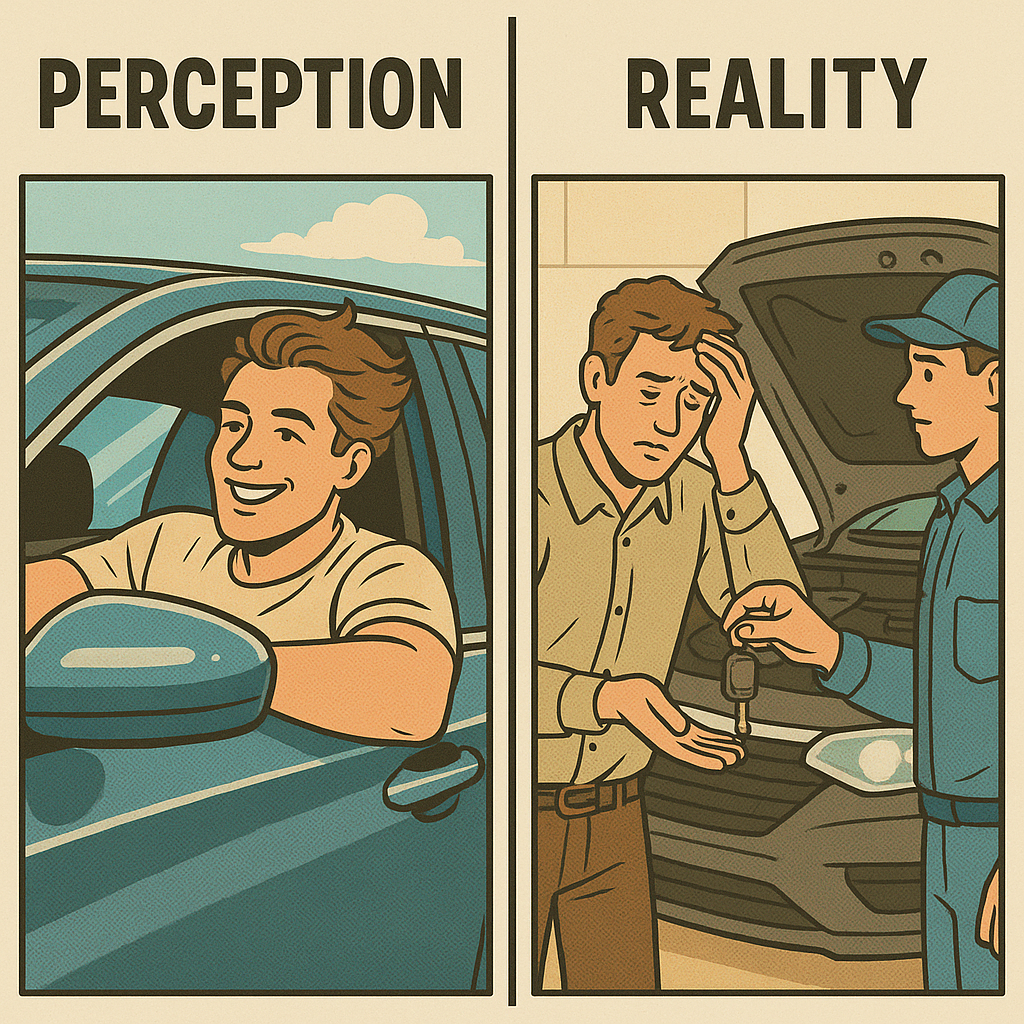
Even with vehicle history reports, you can’t know everything. Previous owners may have skipped maintenance or driven aggressively. Hidden issues might not surface immediately.
Higher Financing Rates
The average interest rate for a used car loan is around 14% – significantly higher than new car rates. This can make monthly payments surprisingly expensive despite lower purchase prices.
More Maintenance and Repairs
Used cars require more upkeep as components age. Finding parts for very old vehicles can become challenging and expensive.
Compromise on Features
You might not find exactly what you want. Color, options, or condition may require settling for something less than ideal.
Supply Shortages
The nationwide supply of used cars has been thin for years. Pandemic-era disruptions meant automakers built about 8 million fewer cars than they normally would have in 2021 and 2022.
Quality, affordable used cars remain scarce. Older, less expensive cars (under $15,000) are in short supply, with only 31 days’ worth of inventory.
Potential Higher Total Costs
While upfront costs are lower, increased repair expenses over time can eat into your initial savings.
It’s always a good idea to request a CARFAX report when considering a used car.
Special Considerations for 2025
Electric Vehicles (EVs)
EVs present a unique situation in 2025. EVs currently have the highest depreciation rates, losing nearly 60% of their value in the first five years. This creates opportunities for used EV buyers but risks for new EV purchasers.
Consider leasing new EVs rather than buying. Similar monthly payments often apply, but leasing protects you from massive depreciation losses.
Trucks and Hybrids
These vehicle types hold value better. Trucks average around 40% depreciation over five years – much better than most cars. Hybrids also retain value well as fuel prices remain elevated.
Current Market Conditions (August 2025)
New Car Market Reality
Although car buyers haven’t faced drastic increases in car prices this year, it appears many automakers have been absorbing tariff costs instead of passing them to consumers. This situation may not last forever.
Inventory varies by brand. If you’re out shopping right now, you’ll likely find plenty of vehicles from Land Rover, Ram, Lincoln, Audi, and Mitsubishi, though you’re less likely to find the exact model you may want from Toyota, Lexus, and Honda.
The summer slowdown creates opportunities. Dealers want to clear 2025 models as 2026 vehicles arrive. Patient shoppers can find deals.
Used Car Market Challenges
Used car prices are falling at both retail lots and wholesale auctions in some areas, but supply remains tight overall. Current market day supply is 43 days, significantly lower than new cars.
The situation creates unique dynamics. For some popular models, buying new makes more financial sense than buying lightly used – a complete reversal from historical patterns.
Making Your Decision: Key Factors to Consider
Budget Analysis
Look beyond monthly payments. Factor in insurance, maintenance, repairs, and depreciation. A new car’s lower maintenance costs might offset higher payments in some cases.
Ownership Timeline
Planning to keep your car 10+ years? New might make sense. Trading in after 3-4 years? Used could be smarter.
Risk Tolerance
New cars offer predictability and warranty protection. Used cars require accepting some uncertainty about future repairs. It’s always a good idea to request a CarFax report when considering a used car.
Technology Needs
Need the latest safety features or infotainment? New cars deliver cutting-edge technology. Comfortable with older systems? Used cars work fine.
Practical Tips for 2025 Car Buyers
Expand Your Search
Geographic flexibility opens more opportunities. Consider traveling for the right deal, especially for specific used models.
Shop Financing First
Get pre-approved before visiting dealers. Compare interest rates from multiple lenders (banks, credit unions) before visiting a dealership. This knowledge provides negotiating power.
Research Insurance Costs
Get insurance quotes before buying. Some cars cost surprisingly more to insure. Factor this into your total ownership cost.
Avoid Dealer Markups
Question all add-ons and “market adjustments.” Many are removable with negotiation.
Consider Professional Inspection
For any used car – even CPO – hire a qualified mechanic for independent inspection. This small cost can prevent major surprises.
Time Your Purchase
End of model years, months, and quarters often bring better deals. Dealers have quotas and aging inventory to move.
Buying New vs Used Car Pros and Cons: The Bottom Line
The new vs used car decision ultimately depends on your specific situation, but 2025’s market creates some unusual dynamics.
Choose New If:
- You plan long-term ownership (7+ years)
- You want latest technology and safety features
- You qualify for attractive financing incentives
- You value warranty protection and predictability
- You can find good deals on 2025 models
Choose Used If:
- You want to minimize upfront costs
- You’re comfortable with some uncertainty
- You can find quality examples of reliable models
- You’re buying a car type that holds value well
- You can pay cash or make a large down payment
Consider Certified Pre-Owned If:
- You want a balance of cost savings and peace of mind
- You value warranty protection but want to avoid new car depreciation
- You’re willing to pay slightly more for reduced risk
- You can find CPO examples of the models you want
Remember: the best car deal is the one that fits your budget, meets your needs, and gives you confidence
The 2025 Market Twist
Here’s what makes 2025 different: For many mainstream vehicles, buying new currently makes more financial sense than buying lightly used. This reverses decades of conventional wisdom.
High used car prices and attractive new car incentives created this unusual situation. A lack of used vehicle stock has kept those prices higher, giving credence to the idea that buying a new vehicle could sometimes be cheaper than purchasing a certain used model, only a few years old.
Making Your Choice
The new vs used car 2025 landscape offers opportunities for smart shoppers. Whether you choose the predictability of new, the value of used, or the balance of certified pre-owned, thorough research pays off.
Don’t rush your decision. Market conditions change rapidly, but a careful approach to new car vs used car evaluation will serve you well. Focus on total ownership costs, not just monthly payments.
Remember: the best car deal is the one that fits your budget, meets your needs, and gives you confidence for years of reliable transportation. In 2025’s unique market, that answer might surprise you.