Online Banks vs. Traditional Banks: Breaking Down the Pros and Cons
The last few years have seen a major change in the way U.S. consumers do their banking. There’s been a noticeable shift from the Old-School, brick-and-mortar banks toward newer, virtual banking options. Online-only banks now handle 20% of primary bank relationships in the U.S. That gives you way more choices for where to park your money.
But which type works best for you? Let’s break down the real differences between online banks and traditional brick-and-mortar banks. We’ll go over the pros and cons of each, so you can be better equipped to decide what fits your money style.
Spoiler alert: We’re going to recommend you use both.
What’s the Difference Between Online and Traditional Banks?
Traditional banks are the old-school spots with real buildings you can walk into. Think Chase, Bank of America, or your local credit union. Most also offer online and mobile banking, although some banks do it a little better than others.
Online banks live almost entirely on your phone and computer. No branches to visit. They’re also called digital banks or internet banks. Examples include Ally, Marcus, and Capital One 360.
The biggest differences? Where you bank, what you pay, and how much you earn.
Key Differences at a Glance
Here’s what sets them apart:
Physical presence: Traditional banks have branches. Online banks don’t.
Interest rates: Online banks typically pay account holders higher rates on savings accounts. Traditional banks pay less.
Fees: Online banks charge fewer fees. Traditional banks have more costs due to running physical locations.
Customer service: Traditional banks offer face-to-face help plus phone and chat. Online banks stick to phone, chat, and email.
Cash handling: Much easier at traditional banks. Online banks make it trickier and sometimes costly.
Product variety: Traditional banks offer more loan types and services. Online banks focus on core banking.
Both types typically carry FDIC insurance with the same limits. Your money stays protected either way.
Online Banks: The Good Stuff
Higher Interest Rates and Lower Fees
Online banks don’t pay rent on fancy buildings or hire tellers. They pass those savings to you through better rates and fewer fees.
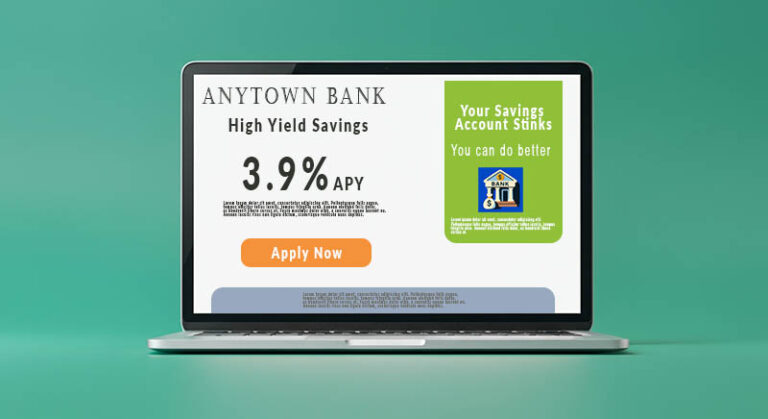
Many online savings accounts pay 4% APY or higher. That’s way better than the 0.01% you’ll typically find at big traditional banks. Plus, most skip monthly maintenance fees entirely. That’s not to say you won’t find higher-yield accounts at conventional banks. You just have to shop around.
Bank Anywhere, Anytime
Your bank fits in your pocket with online banking. Check balances at 2 AM or transfer money while traveling. No need to rush to a branch before closing time.
Opening an account takes minutes online. The whole process feels smooth and fast. Remote workers and busy people love this flexibility.
Again, traditional banks also offer these services through their own online banking.
Better Apps and Tools
Online banks put all their effort into digital experiences. Their apps usually work better than traditional bank apps.
You’ll often find cool features like automatic savings, spending categories, and instant alerts. Many connect easily with apps like QuickBooks too. However, these features are not exclusive to the online-only banks, and are often available from some of the larger traditional banks. I feel like I’ve already said that a lot, but I can’t help that it continues to be relevant.
No Minimum Balance Headaches
Most online banks don’t require big balances to avoid fees. Some let you start with just $1. Traditional banks often want $500 to $1,500 to skip monthly charges.
ATM Access Without the Fees
Online banks partner with big ATM networks like Allpoint and MoneyPass. You can withdraw cash for free at thousands of locations. Some even pay you back for out-of-network ATM fees. But, again, this is not strictly unique to online banks. See? There it is again.
Online Banks: The Not-So-Good
No Face-to-Face Help
Sometimes you need to talk to a real person in the same room. Maybe you’re dealing with a complex issue or just prefer human interaction. Online banks can’t offer that.
Customer service happens over the phone or through chat. That works fine for simple questions but gets frustrating with complicated problems.
Cash Deposits Are a Pain
Got cash to deposit? Online banks make this tough. Some don’t accept cash deposits at all. Others make you go to retail partners like CVS or 7-Eleven, often with fees attached. If your business deals with lots of cash, online banks probably won’t work well.
Sometimes it’s the little things.
Cashiers checks, counter checks or even something as simple as a roll of quarters can only be obtained from an actual bank branch. These are minor things until you really need one.
Fewer Banking Products
Online banks excel at savings accounts and basic checking. But they might not offer mortgages, business loans, or specialty services you need. You’ll have to shop around for other financial products.
Tech Problems Can Lock You Out
When their app goes down or your internet cuts out, you’re stuck. Can’t access your money or pay bills until things work again. Traditional banks let you walk inside when technology fails.
Traditional Banks: The Good Stuff
Real People, Real Relationships
Walk into a branch and talk to someone who knows your name. Build relationships with bankers who understand your financial goals. This personal touch helps when you need loans or complex services.
Community banks especially shine here. They often consider local factors when making lending decisions.
Easy Cash Handling
Deposit cash instantly at branches or bank ATMs. Get same-day access to check deposits. This really becomes an issue for businesses that handle lots of cash, like restaurants or retail shops.
One-Stop Financial Shop
Traditional banks offer everything: checking, savings, mortgages, car loans, credit cards, and investments. Keep all your financial stuff in one place for easier management.
Huge ATM Networks
Big banks like Chase and Wells Fargo have thousands of their own ATMs. Free withdrawals and deposits whenever you need them.
Special Services You Can’t Get Online
Need a safe deposit box for important papers? Want to exchange foreign currency? Need a cashier’s check or notary service? Traditional banks handle all this stuff.
Established Trust
Some banks have been around for decades or centuries. That history provides peace of mind. Physical vaults and security systems protect your money.
Digital Tools Too
Big traditional banks now offer apps and websites that rival online banks. You get both digital convenience and physical locations.
Traditional Banks: The Not-So-Good
Higher Fees Everywhere
Monthly maintenance fees are common at traditional banks. You might avoid them with high balances, but many people can’t meet those requirements. Wire transfers, overdrafts, and other services also cost more.
Lousy Interest Rates
Traditional bank savings accounts pay almost nothing. We’re talking 0.01% to 0.10% while online banks pay 4% or more. Your money grows much slower.
You can often find savings accounts or CDs with promotional rates at brick-and-mortar banks. Again, you’ll just have to shop around.
Limited Hours and Locations
Branches close at 5 PM and stay shut on weekends. If you travel or move, your bank might not have locations nearby. Every transaction requires planning around their schedule.
Inconsistent Service
One branch might have amazing staff while another disappoints. Service quality varies by location and individual employees.
How to Choose the Right Bank for You
Think about what matters most to you:
Pick online banks if you want: Higher interest rates, lower fees, digital convenience, and simple banking needs.
Pick traditional banks if you need: Cash deposits, in-person service, complex financial products, or prefer face-to-face relationships.
Business considerations: Online banks work great for consultants, e-commerce, and tech companies with minimal cash handling. Traditional banks suit retail shops, restaurants, and businesses needing loans or specialized services.
The Best of Both Worlds Strategy
Many smart money managers use both types of banks. Keep a traditional bank account for cash deposits and in-person needs. Use an online bank for high-yield savings and better rates.
Link the accounts together for easy transfers. You get the benefits of both without the drawbacks of choosing just one.
Making Your Decision
Both online and traditional banks serve different needs well. There’s no universal “best” choice.
Consider your lifestyle, business needs, and money goals. Do you value convenience or personal service more? Need high interest rates or complex banking products?
Take time to compare specific banks. Look at fees, interest rates, and available features. The right choice depends entirely on how you manage money and what you want from your bank.
Your banking needs might change over time, too. Stay flexible and switch when it makes sense. The goal is to find a bank that helps your money grow while making your financial life easier.