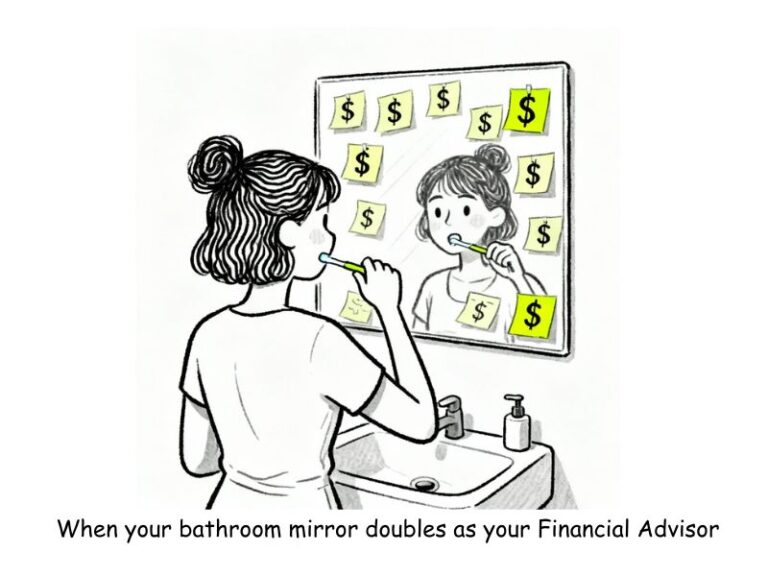
How to Stop Living Paycheck to Paycheck: The Psychology and Practice of Breaking Free
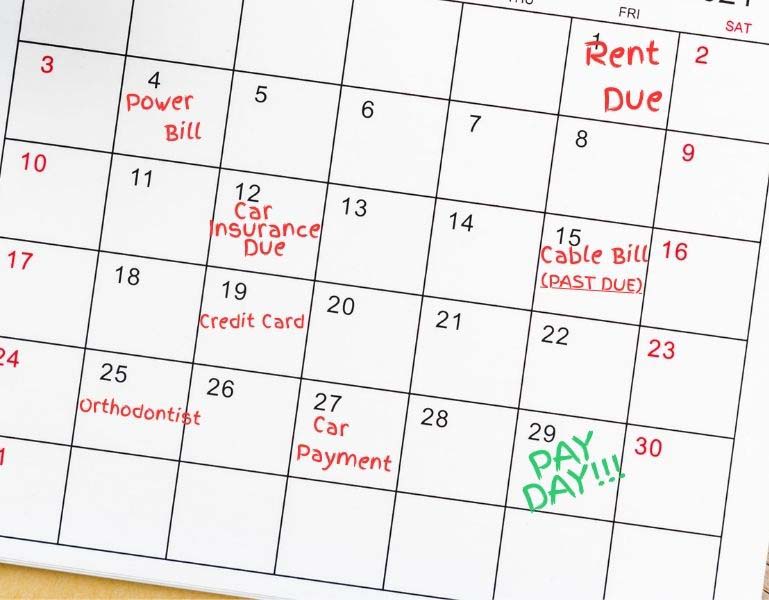
You check your bank balance three days after payday and your stomach drops. Again. The money’s already spoken for, and you’re back to counting days until the next paycheck arrives. This exact scenario happens to 55% of American workers currently living paycheck to paycheck, and it’s an issue that occurs at nearly all income levels.
Here’s what might surprise you: this isn’t necessarily about how much money you make. Plenty of six-figure earners find themselves in the same cycle, watching money disappear as quickly as it arrives. The real problem runs deeper than income – it’s a combination of psychological patterns, lifestyle choices, and yes, some practical money management that keeps people trapped.
The good news? You can break this cycle. But it requires more than just budgeting apps and side hustles. You’ll need to address the uncomfortable truths about your relationship with money, make some difficult lifestyle changes, and build new financial habits that actually stick.
Key Takeaways
- The psychology matters: Financial stress creates physiological changes that make good decisions harder
- Lifestyle inflation affects everyone: Even high earners get trapped by expanding expenses
- Small emergency funds work: Start with $100-500, not the impossible $10,000 goal
- Relationships impact finances: Toxic spending relationships keep you stuck
- Career choices matter: Sometimes you need an honest assessment of your earning potential
- Time equals money: How you spend non-work hours directly affects your financial future
The Psychology Behind the Paycheck-to-Paycheck Trap
Before diving into budgets and spending cuts, you need to understand why smart, capable people get stuck in this cycle. The answer lies in how your brain responds to financial stress.
Your relationships directly impact your money. Some people in your life make it easier to save and build wealth. Others drain your resources and normalize poor financial decisions.
Your Stressed Brain Makes Poor Money Decisions
Financial stress creates physiological changes: elevated cortisol, inflammation, compromised immune system. When you’re constantly worried about money, your brain operates in survival mode. This makes it nearly impossible to think long-term or make rational financial decisions.
You end up in reactive mode – paying bills as they come, buying what you need when you need it, and never getting ahead of the cycle. Your stressed brain convinces you that the $5 coffee or $30 takeout meal won’t matter, because the real problem feels too big to solve.
Overconfidence and Financial Knowledge
Here’s an uncomfortable truth: 71% of people overestimate their financial literacy. Most people think they understand money better than they actually do. This overconfidence prevents them from seeking help or learning better strategies.
You might think you’re good with money because you pay your bills on time. But paying bills isn’t the same as managing money strategically. Real financial literacy includes understanding opportunity cost, compound interest, and the psychological factors that drive spending decisions.
Social Comparison and Status Anxiety
Social status perceptions significantly moderate financial stress impact. Your perception of where you stand compared to others directly affects your financial decisions. Social media makes this worse – you’re constantly exposed to curated versions of other people’s lives. The recent Stanley Water Bottle craze is a perfect example of this.
This drives what psychologists call “lifestyle inflation” – as your income increases, your spending increases to match. You upgrade your apartment, car, and lifestyle to match your new income level, leaving you just as broke as before, but with bigger bills.
The Uncomfortable Truth About Lifestyle Changes
Most financial advice focuses on budgeting and saving. That’s important, but it misses the bigger picture. If you want to break the paycheck-to-paycheck cycle permanently, you need to make some difficult lifestyle changes that other experts won’t tell you about.
Audit Your Financial Relationships
Your relationships directly impact your money. Some people in your life make it easier to save and build wealth. Others drain your resources and normalize poor financial decisions.
Toxic financial relationships include:
- Friends who always want to go out to expensive places
- Family members who guilt-trip you about money (“You can afford to help us out”)
- Social groups where spending money is the primary activity
- Partners who don’t share your financial goals
This doesn’t mean cutting people out of your life entirely. But you need boundaries. Suggest free or low-cost alternatives. Be honest about your financial goals. Distance yourself from people who consistently pressure you to spend money you don’t have.
The Honest Money Mirror
Most people lie to themselves about their spending habits. They focus on big, obvious expenses while ignoring the smaller patterns that add up to thousands of dollars per year.
Common money drains people ignore:
- Emotional spending: Shopping when stressed, sad, or celebrating
- Expensive nightlife: $15 cocktails, bottle service, cover charges that add up to $200+ nights
- Gambling disguised as investing: Day trading, crypto FOMO, sports betting
- Convenience spending: Door Dash, Amazon same-day delivery, premium subscriptions
- Status spending: Keeping up appearances with clothes, gadgets, experiences
Track your spending for one month without judgment. Most people discover they’re spending $300-800 monthly on things that don’t align with their actual values or goals.
Miser’s Quick Tip
Use the “Per-Hour” Reality Check for Expensive Habits: Calculate how many work hours your expensive habits cost. That $6 daily coffee? If you make $15/hour after taxes, you’re working 24 minutes just for coffee. That $200 night out equals 13+ hours of work. This perspective shift makes spending decisions crystal clear.

Career Reality Check
Sometimes the hard truth is that you’ve made the wrong career choice. If you’re working full-time and still struggling financially, you need an honest assessment of your earning potential.
Warning signs you might need a career change:
- Your industry has limited growth potential
- You’ve been in the same role for 3+ years without meaningful raises
- Your skills aren’t in demand in the current job market
- You’re passionate about something that doesn’t pay well
The sunk cost fallacy keeps people in dead-end careers. You think, “I’ve already invested five years in this, I can’t start over.” But staying in a low-paying career costs you hundreds of thousands of dollars over your lifetime.
Research growing industries in your area. Look at job postings for roles that pay 30-50% more than your current position. What skills do they require? Can you develop those skills in 6-12 months?
Time as Currency
Financial stress depletes emotional resources, making other life stressors harder to handle. When you’re financially stressed, you’re more likely to waste time on activities that feel productive but don’t improve your situation.
Time wasters that keep you broke:
- Excessive social media scrolling (average: 2.5 hours daily)
- Gaming or binge-watching shows every evening
- Gossiping or complaining about money without taking action
- Researching investments or side hustles without implementing
Instead, use that time for activities that directly improve your financial situation:
- Learning skills that increase your earning potential
- Working on side projects that generate income
- Planning and preparing meals to reduce food costs
- Organizing your finances and looking for ways to cut expenses
The Essential Financial Fundamentals
Now that we’ve addressed the psychological and lifestyle factors, let’s cover the practical strategies that actually work for people living paycheck to paycheck.
Emergencies will happen. Having a plan for getting back on track prevents one setback from derailing your progress
Zero-Based Budgeting for Tight Budgets
Traditional budgeting advice assumes you have leftover money each month. When you’re living paycheck to paycheck, every dollar already has a job before you earn it.
Zero-based budgeting means giving every dollar a specific purpose before you spend it. Start with your fixed expenses: rent, utilities, minimum debt payments, transportation. Then allocate money for variable necessities: food, household items, gas.
The key is being ruthlessly honest about needs versus wants. You need food – you don’t need restaurant meals. You need transportation – you don’t need the premium gas or the latest car accessories.
Start Your Emergency Fund with $100, Not $1,000
Traditional advice says you need 3-6 months of expenses saved. For someone living paycheck to paycheck, that feels impossible and discouraging.
Research by the CFPB found that sudden, unexpected expenses are among the most common reasons people struggle to pay bills. And if your income is on the low end, even sudden expenses in the $100 to $1,000 range can be financially disruptive.
Start with a $100 emergency fund. That covers a flat tire, urgent prescription, or small car repair without going into debt. Once you hit $100, aim for $250, then $500. These smaller goals feel achievable and build momentum.
Every emergency you handle with cash instead of credit cards is a win. You’re breaking the cycle of debt that keeps you paycheck to paycheck.
Cut Expenses Without Feeling Deprived
The psychology of restriction is powerful. Tell yourself you “can’t” have something, and you’ll want it more. Instead, focus on replacing expensive habits with cheaper alternatives that provide similar satisfaction.
Smart substitutions:
- Cook restaurant-quality meals at home instead of ordering out
- Host potluck dinners instead of expensive restaurant meetups
- Use library resources instead of buying books and movies
- Find free fitness activities instead of expensive gym memberships
- Explore local free events instead of paid entertainment
The goal isn’t to eliminate all enjoyment from your life. It’s to find ways to enjoy life that align with your financial goals.
Debt Elimination Psychology
If you have debt, it’s keeping you in the paycheck-to-paycheck cycle. Those monthly payments eat up money that could go toward savings or emergencies.
The debt snowball method works because it addresses psychology, not just math. List your debts from smallest to largest balance. Pay minimums on everything, but throw every extra dollar at the smallest debt.
When you pay off that first debt, you get a psychological win that motivates you to keep going. You also free up that monthly payment to attack the next debt. The momentum builds as you go.
Income and Earning Strategies
Cutting expenses only gets you so far. At some point, you need to increase your income to break the paycheck-to-paycheck cycle permanently.
Side Hustles That Actually Work
Not all side hustles are created equal. The best ones for your situation depend on your available time, skills, and local market.
High-demand, flexible options:
- Food delivery (if you have a reliable car)
- Freelance services based on your current skills
- Cleaning services (higher pay per hour than most gig work)
- Pet sitting/dog walking (especially in urban areas)
- Tutoring or teaching skills you already have
The key is choosing something you can start immediately with minimal upfront investment. Avoid any “opportunity” that requires you to pay money upfront or buy inventory.
Sell Stuff Strategically
Most people have $500-2,000 worth of items they don’t use regularly. This can jumpstart your emergency fund or pay off small debts.
Items that sell well:
- Electronics and gadgets
- Designer clothes and accessories
- Tools and equipment
- Exercise equipment
- Books, especially textbooks
- Kitchen appliances you don’t use
Use Facebook Marketplace, OfferUp, or Mercari for local sales. For books and electronics, consider Amazon or eBay. Price items to sell quickly – your goal is converting clutter into cash, not maximizing profit on each item.
Working Overtime vs. Skill Building
If your job offers overtime, take it – but use the extra money strategically. Don’t let lifestyle inflation eat up your overtime pay.
However, overtime isn’t a long-term solution. Use the extra money to build an emergency fund and pay off debt, but invest your non-work time in building skills that increase your base earning potential.
Skills with high ROI:
- Digital marketing and social media management
- Basic coding or web development
- Project management certification
- Industry-specific technical skills
- Sales and customer service excellence
Your Action Plan: Breaking Free in Phases
Breaking the paycheck-to-paycheck cycle doesn’t happen overnight. Here’s a realistic timeline with specific milestones.
Phase 1: Immediate Relief (Weeks 1-4)
Week 1: Track every dollar you spend without changing your habits. This creates awareness and identifies your biggest money drains.
Week 2: Create a zero-based budget for the next month. Allocate every dollar before you earn it.
Week 3: Implement one major expense cut (meal planning, subscription audit, transportation change). Use the savings to start a $100 emergency fund.
Week 4: Apply for one additional income source (side gig, overtime, selling items). Set up automatic transfer of extra income to emergency fund.
Phase 2: Building Momentum (Months 2-6)
Month 2: Reach your $100 emergency fund goal. Start attacking your smallest debt with any extra money.
Month 3: Increase emergency fund goal to $250. Continue debt payments. Begin skill-building activities.
Month 4: Reassess your budget and look for additional expense cuts. Consider whether your housing, transportation, or insurance costs are optimal.
Month 5: Reach $250 emergency fund. Pay off first small debt if possible. Start looking at bigger picture career/income strategies.
Month 6: Set new goals for months 7-12. You should feel noticeably less financial stress by this point.
Phase 3: Long-term Stability (Months 7-12)
Focus on building your emergency fund to $500-1,000, paying off all non-mortgage debt, and increasing your earning potential through career advancement or side business growth.
By month 12, you should have broken the paycheck-to-paycheck cycle. You’ll have breathing room between paychecks, money set aside for emergencies, and a clear plan for building wealth over time.
The Psychology of Maintaining Progress
Breaking the cycle is hard, but maintaining progress can be even harder. Financial stress affects millions of people worldwide, and without solid budget, savings, and debt management strategy, money tends to disappear as quickly as it comes in — no matter how much you earn.
Keys to maintaining progress:
- Celebrate small wins: Acknowledge every milestone, from your first $100 saved to your first debt paid off
- Expect setbacks: Emergencies will happen. Having a plan for getting back on track prevents one setback from derailing your progress
- Keep learning: Your financial education shouldn’t stop when you break the cycle. Continue learning about investing, tax strategies, and wealth building
- Find your why: Connect your financial goals to deeper values and life goals. Money management is easier when it serves a purpose beyond just having more money
Taking Control of Your Financial Future
Living paycheck to paycheck isn’t a character flaw or a sign that you’re bad with money. It’s often the result of psychological patterns, lifestyle choices, and practical knowledge gaps that can be addressed with the right strategies.
The path forward requires both mindset changes and practical action. You need to address the underlying psychology that keeps you stuck, make difficult but necessary lifestyle changes, and implement fundamental money management strategies that work for your situation.
Start with one change this week. Track your spending, cut one major expense, or apply for a side gig. The goal isn’t perfection – it’s progress. Every step you take breaks the cycle a little more.
Your financial situation can change faster than you think. Most people who follow this approach see significant improvements within 3-6 months. In one year, you can completely transform your relationship with money and break free from the paycheck-to-paycheck cycle permanently.
The choice is yours. You can continue the cycle of stress and financial uncertainty, or you can take control and build the financial stability you deserve. The strategies are here. The research supports them. Now it’s time to take action.