The Hidden Costs of Bad Credit: Beyond Interest Rates
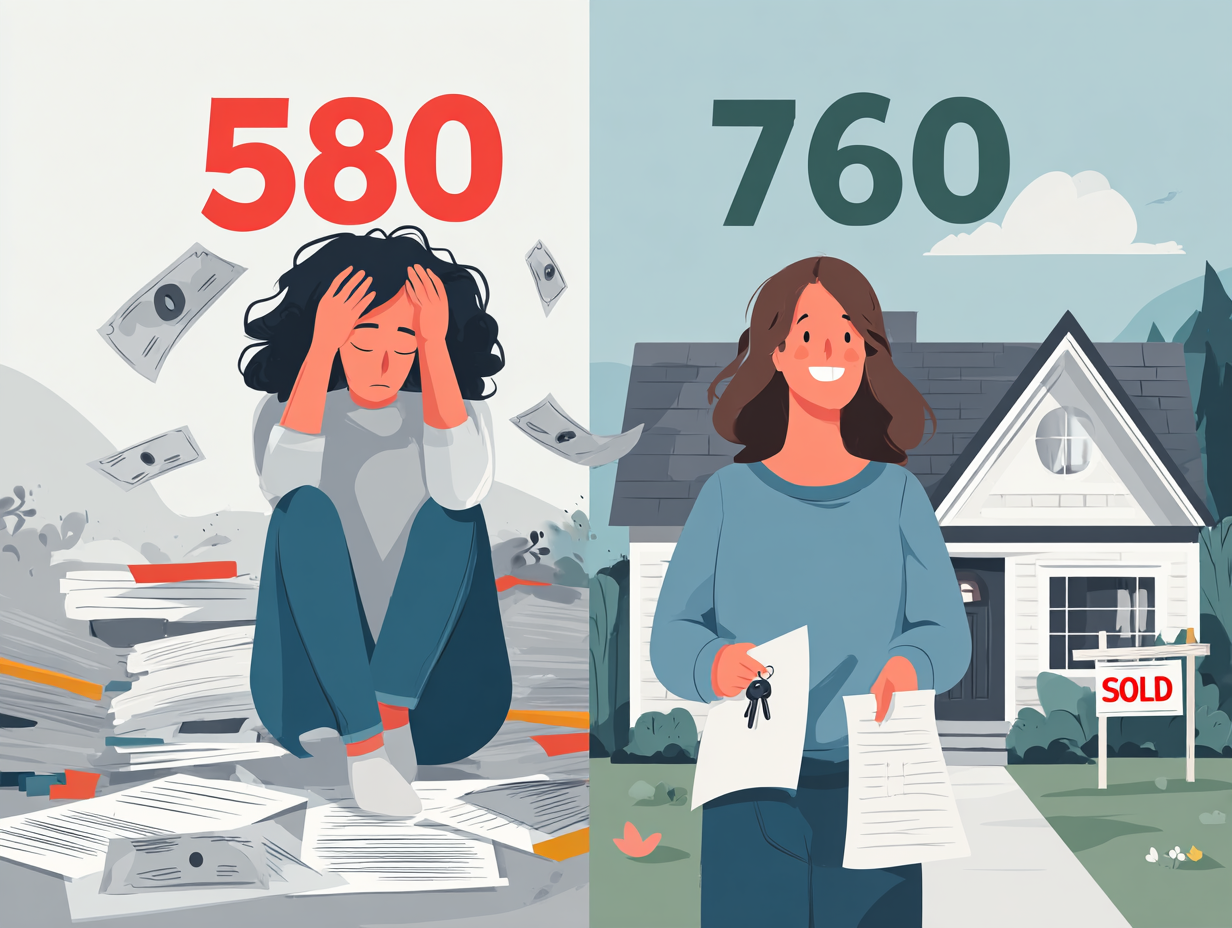
Your credit score is supposed to be a simple three-digit number. But it’s really more like a black box that controls your wallet in ways you probably don’t realize.
Most people know bad credit means higher interest rates. What they don’t know is how this mysterious number affects everything from car insurance to phone service. The real kicker? The companies that create these scores keep their exact formulas secret.
The Black Box Problem
Credit scoring companies guard their formulas like state secrets. FICO and VantageScore are the big players in credit scoring. They tell you the general factors that matter – payment history, credit utilization, and length of credit history. We also know how those factors are “Weighted” in how credit scores are calculated. But the exact math? That’s proprietary information.
This creates a frustrating situation. You’re judged by a number you can’t fully understand or predict. Even credit experts can only make educated guesses about how certain actions will affect your score.
The three major credit bureaus – Equifax, Experian, and TransUnion – don’t even use identical information. One bureau might have data that the others don’t. This means you actually have three different credit scores, not just one.
Insurance companies make things even more confusing. They don’t use your regular credit score at all. Instead, they create something called a credit-based insurance score. Each insurance company has its own secret formula for this score. All insurers create their own proprietary insurance score, and no two formulas are the same.
The Insurance Premium Trap
Your credit score can dramatically increase your insurance costs. And we’re talking about serious money here.
For car insurance, the numbers are staggering. Drivers with poor credit pay $166 more per month for full coverage than those with good credit, on average. That’s nearly $2,000 extra per year just for having bad credit.
Some insurance companies penalize bad credit even more severely. Having a bad credit score can increase your rate by more than $400 per month, depending on which company you choose. Imagine paying an extra $4,800 per year for the same coverage.
Home insurance follows the same pattern. Someone with a poor credit score pays 85 percent more for home insurance, on average, than someone with an excellent score. If your homeowner’s insurance costs $1,200 per year with good credit, it could cost over $2,200 with poor credit.
Here’s what makes this particularly unfair: your driving record doesn’t matter for this calculation. Even with the same driving record, drivers with bad credit can pay than those with perfect scores.
The insurance industry argues that credit scores predict claim frequency. People with lower scores supposedly file more claims. But this connection feels shaky to many consumers. Why should your past credit mistakes affect your car insurance when you’ve never had an accident?
Some states have recognized this problem. California, Hawaii, Massachusetts, and Michigan have banned insurance companies from using credit scores to price or deny insurance policies. More states are considering similar restrictions.
Rental Housing Roadblocks
Bad credit makes finding a place to live much harder and more expensive. Landlords almost always check credit scores before approving rental applications.
If you have poor credit, landlords often require larger security deposits. Some landlords might ask for first month’s rent, last month’s rent, and a security deposit equal to two months’ rent. That could mean coming up with $6,000 upfront for a $1,500 per month apartment.
Landlords might also require a co-signer if your credit is poor. This means finding someone willing to be legally responsible for your rent payments. Not everyone has family or friends in a position to take on that kind of financial liability.
Some landlords will simply reject applications from people with low credit scores. This limits your housing options and forces you to compete for apartments that accept tenants with poor credit. Limited supply often means higher rent prices.
Utility Service Complications
Setting up basic utilities becomes a hassle when you have bad credit. Electric, gas, water, and internet companies often check credit scores before providing service.
If you’re applying for utilities with a low FICO score, the utility company might ask for a guarantee. This could mean paying a large deposit upfront. The deposit amount can be substantial. It’s one-sixth of your annual bill, or if you don’t have a usage history at the property, one-sixth of the property’s previous annual bill.
For a typical household that spends $2,400 per year on electricity, a deposit could be $400. If you need to set up electric, gas, water, and internet service, you might face deposits totaling $1,000 or more.
Utility companies may also require a written guarantee. One form of this is a “letter of guarantee” from someone who agrees to take over your payments if you do not make them. Again, you need to find someone willing to vouch for you financially.
The irony is that many people with bad credit have poor scores because of past financial hardships. Requiring large utility deposits makes it even harder for them to get back on their feet.
Mobile Phone Service Barriers
Getting a cell phone plan with bad credit often means paying more upfront or accepting less favorable terms.
People with poor credit (or no credit) may be required to pay a deposit when signing up for phone service. These deposits can range from $100 to $500 or more, depending on the carrier and your credit score.
Phone companies also check credit when you want to finance a new device. If you want the latest iPhone or Samsung Galaxy, bad credit might disqualify you from payment plans. You’d have to pay the full $800 to $1,200 price upfront.
Some people with poor credit turn to prepaid phone plans to avoid credit checks entirely. Credit checks aren’t required for prepaid cell phone plans because you’re paying for the service upfront. But prepaid plans often cost more per month and offer fewer features than contract plans.
Employment and Background Checks
Many employers check credit scores as part of their hiring process. This is more common for jobs that involve handling money or sensitive financial information. But credit checks can happen for other positions, too.
A poor credit score might cost you a job opportunity. Employers often view bad credit as a sign of irresponsibility or financial stress that could lead to workplace problems.
This creates a particularly vicious cycle. Bad credit makes it harder to get a job. Without a good job, it’s harder to improve your credit. The system can trap people in poor financial situations.
Many employers check credit scores as part of their hiring process.
The Compounding Effect
The real problem with bad credit isn’t just one higher bill. It’s the way all these extra costs add up over time.
Let’s say bad credit costs you an extra $150 per month in car insurance, $100 in higher rent, $50 in utility deposits, and $30 in phone service fees. That’s $330 per month or nearly $4,000 per year in extra expenses.
These higher costs make it harder to improve your financial situation. When more of your income goes toward basic expenses, you have less money available for debt payments or building savings.
It only gets worse when you add those high numbers to the added cost of financing due to higher interest rates for things like auto loans, student loans and credit cards. It’s easy to see how this can become a terrible cycle for those trying to eliminate debt and improve their credit.
Hidden Fees and Deposits
Beyond the obvious costs, bad credit often triggers various fees and deposits that good credit customers avoid entirely.
Many services that offer “no deposit” options for customers with good credit require deposits from those with poor credit. Security deposits for apartments, utility connections, and phone service can easily total $2,000 to $3,000 when moving to a new city.
Some of these deposits earn interest, but often at rates well below what you could earn in a savings account. Your money gets tied up for months or years, earning minimal returns.
Geographic Variations
The impact of bad credit varies significantly depending on where you live. Some states have stronger consumer protections that limit how credit scores can be used.
In states without these protections, the penalties for bad credit can be particularly severe. Understanding your state’s laws can help you know what to expect when shopping for insurance or other services.
Urban areas often have more competition among service providers, which can lead to better options for people with poor credit. Rural areas might have fewer choices, giving providers more leverage to impose higher fees and deposits.
Industry-Specific Impacts
Different industries use credit scores in varying ways. Understanding these patterns can help you prioritize which services to shop around for and where you might face the biggest challenges.
The insurance industry tends to penalize poor credit most heavily. Auto and homeowner’s insurance show the largest premium differences between good and bad credit customers.
Utility companies typically have standardized deposit requirements based on credit tiers. These are often regulated by state utility commissions, which can limit how much companies can charge.
Telecommunications companies have started treating phone service more like a loan product. As phones become more expensive and payment plans more common, credit becomes increasingly important in this industry.
Timing and Credit Improvement
The timing of when you need these services matters significantly. If you’re actively working to improve your credit, waiting a few months might save you hundreds or thousands of dollars.
Credit scores can improve relatively quickly if you focus on key factors like paying down high credit card balances and making all payments on time. Even a 50-point improvement can move you into a better credit tier for pricing purposes.
A federal law allows you to request your full credit report from each of the three major credit reporting agencies. This has been made easier by annualcreditreport.com, an online resource which is the only legally mandated source to obtain all three reports/
Some services allow you to reapply for better rates once your credit improves. Auto insurance companies may offer discounts if you can demonstrate improved credit after your initial policy term.
Strategies for Managing Bad Credit Costs
While working to improve your credit score, there are ways to minimize these extra costs. Shopping around becomes even more important when you have poor credit, as different companies penalize bad credit to varying degrees.
Some insurance companies weigh credit scores less heavily than others in their pricing formulas. Getting quotes from multiple insurers can reveal significant price differences for the same coverage.
For utility services, some companies offer low-income assistance programs that might waive deposits regardless of credit score. It’s worth asking about these options when setting up service.
Building relationships with local banks and credit unions can sometimes help when applying for accounts or services. Smaller institutions may be more willing to look beyond just your credit score.
The Path Forward
Understanding how credit scores affect your daily expenses is the first step toward managing these costs. While the scoring systems remain frustratingly opaque, you can take concrete steps to minimize their impact on your wallet.
Focus on the credit factors you can control: making payments on time, keeping credit card balances low, and avoiding unnecessary credit applications. These actions will gradually improve your score and reduce these hidden costs.
Remember that improving your credit score isn’t just about qualifying for better loans. It’s about reducing the hundreds of small charges and deposits that bad credit triggers across all areas of your financial life.
The credit scoring system isn’t going anywhere. But by understanding how it works and taking steps to improve your score, you can avoid paying thousands of dollars in unnecessary fees and higher prices. Your future self will thank you for the effort you put in today.