The 50/30/20 Budget Rule: Makes Budgeting Suck a Little Less
Budgeting. Yuck!
Let’s face it, creating a budget sucks. It’s not fun. It’s the opposite of fun. It’s one of those soul-crushing tasks that reminds me of having to write an essay for a class I hated. I’d rather eat my own shoe.
Budgeting is aweful, but sometimes it’s necessary. And the first thing I do when faced with a tedious but necessary task is find a tool or resource that’ll make it suck a little less.
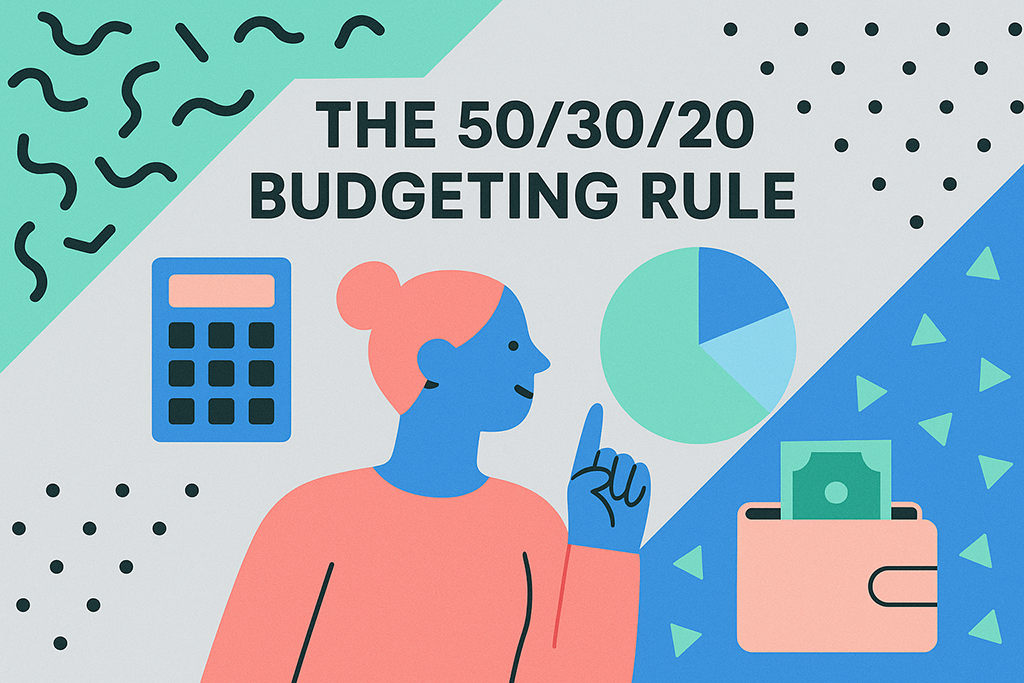
Meet the 50/30/20 budget rule. This straightforward method divides your take-home income into three easy buckets. 50% goes to needs, 30% to wants, and 20% to savings. No fancy math or complex tracking required. You can even automate parts of the process. Yes, please.
This isn’t just another budgeting fad. Senator Elizabeth Warren and her daughter popularized this approach in their 2006 book “All Your Worth.” Since then, millions have used it to simplify the otherwise arduous task of creating a houshold budget.
The beauty lies in its simplicity. You get clear guidelines without rigid rules. Want to enjoy life while building wealth? This budget lets you do both.
What is the 50/30/20 Budget Rule?
Think of the 50 30 20 budgeting rule as your money’s GPS. It shows you exactly where every dollar should go after taxes hit your paycheck.
Your after-tax income gets split three ways. This creates a balanced approach to spending and saving. No more guessing where your money went at month’s end.
Here’s how it breaks down:
50% for Needs: Your Life’s Essentials
Needs aren’t “wants” in disguise. These are expenses you truly can’t live without. If cutting an expense would risk your health, safety, or job, it’s a need.
Your needs include:
- Rent or mortgage payments
- Utilities like electricity and water
- Groceries for basic meals
- Health, auto, and home insurance
- Car payments and gas
- Minimum debt payments
- Childcare for working parents
Notice we said minimum debt payments. That credit card minimum? It’s a need. Extra payments beyond the minimum? Those go elsewhere in your budget.
If your needs eat up more than 50% of your after-tax income, don’t panic. Look for ways to trim these costs. Can you refinance that loan? Negotiate a lower phone bill? Sometimes a smaller home or used car makes the math work.
Also consider that some of those minimum debt payments may decrease over time. If your calculation for Needs includes minimum monthly payments for credit card debt, those numbers can improve. Since minimum monthly credit card payments are typically based on a percentage of your balance, those minimums will decrease as you pay down the overall debt.
30% for “Wants”: Life’s Little Pleasures
“Wants” make life enjoyable. These purchases won’t hurt you if you skip them. But they sure make the journey more fun.
Common wants include:
- Dining out and takeout
- Netflix and other streaming services
- Gym memberships beyond basic fitness
- Vacations and weekend trips
- Hobbies and fun activities
- Designer clothes and gadgets
Here’s where a household budget planner really shines. Track your wants for a month. You might be shocked at where this money goes.
The 30% gives you permission to enjoy life. Just stay within the limit. When money gets tight, wants get cut first.
20% for Savings and Debt Payoff: Your Future Self
This category builds your financial fortress. Every dollar here works toward a better tomorrow.
Your 20% covers:
- Emergency fund contributions
- Retirement savings
- (not including pretax payroll deductions for your 401k)
- Extra debt payments beyond minimums
- Savings for big goals like homes or cars
- Investments in stocks and bonds
Start with a small emergency fund of $500 to $1,000. Next, attack high-interest debt while also building your retirement savings outside of any employer-sponsored 401k. Finally, build that emergency fund to cover 3-6 months of expenses.
This 20% might feel impossible at first. Start smaller if needed. Even 10% beats zero percent. Build the habit, then increase the amount.
How to Put the 50 30 20 Rule Into Action
Ready to transform your finances? Follow these steps to make the rule work for your life.
Step 1: Find Your Real Income
Start with your after-tax monthly income. This means your paycheck after Uncle Sam takes his cut. Include all income sources like bonuses or side hustles.
Here’s a key point many miss: add back any retirement or insurance deductions. If your employer pulls $200 for your 401k, add that back. You’ll allocate it properly in your budget.
Just keep taking steps in the right direction, and you’ll eventually get to where you want to be.
Step 2: Track Every Dollar
Spend a month or two watching where your money goes. Every coffee, gas fill-up, and streaming service matters. Most people are shocked by what they discover.
Use a simple app or notebook. The method doesn’t matter. What matters is honest tracking. You can’t manage what you don’t measure.
Sort each expense into needs, wants, or savings. This shows how close you are to the ideal split. Don’t judge yourself—just gather data.
Step 3: Make the Numbers Work
Now comes the fun part: adjusting your spending to fit the rule.
If needs exceed 50%: Look for ways to cut fixed costs. Can you refinance loans? Find a cheaper phone plan? Move to a less expensive place? These changes can be a pain in the short-term but help long-term.
If wants top 30%: Time to trim the fun stuff. Cancel unused subscriptions. Cook more meals at home. Find free entertainment options. Small cuts add up fast.
If savings fall short of 20%: This is non-negotiable territory. Your future depends on this money. Cut wants before you cut savings.
Step 4: Automate Your Success
Make saving automatic. Set up transfers from checking to savings on payday.
A budget calculator can help here. Figure out exact dollar amounts for each category. Then set up automatic payments and transfers. This removes temptation and builds consistency.
Pay yourself first. Move savings money immediately when you get paid. Spend what’s left, not the other way around.
If your employer offers direct deposit of your pay, it’s a good idea to simply request a split deposit, with 20% going directly to your savings account.
If you haven’t opened a High-Yield Savings account yet, now is the time to do so. Here’s a link to more information about high-yield savings accounts.
Step 5: Review and Adjust
Life changes, and so should your budget. Review your plan every few months. Got a raise? Adjust the dollar amounts but keep the percentages. New expense? Figure out which category it fits.
The rule isn’t set in stone. It’s a flexible framework that grows with you.
The Bright Side: Why This Rule Works
The 50 30 20 rule has earned fans for good reasons. Let’s explore why it clicks for so many people.
Simple to Understand
No complex formulas or detailed tracking required. Three categories, three percentages. Even kids can grasp this concept. Simplicity leads to consistency.
Promotes Balance
You’re not choosing between fun and financial security. The rule lets you enjoy life while building wealth. This balance prevents the all-or-nothing thinking that derails many budgets.
Encourages Good Habits
By dedicating 20% to savings, you’re building wealth on autopilot. This consistent approach creates financial momentum over time.
Flexible Framework
The percentages aren’t laws carved in stone. Adjust them based on your situation. Living in an expensive city? Maybe try 60/20/20. Paying off debt aggressively? Consider 50/20/30.
Automates Success
Set up the right accounts and transfers, and the system runs itself. Automation removes emotion and impulse from money decisions.
The best budget is the one you’ll actually follow.
The Flip Side: When This Rule Struggles
No budgeting method works for everyone. Here’s where the 50/30/20 approach might fall short.
High-Cost Living Areas
Try telling someone in San Francisco that housing should eat only 50% of their income. In expensive cities, needs often demand more than half your paycheck.
Aggressive Financial Goals
Want to retire early? Pay off debt super fast? The standard 20% savings rate might feel too slow. Some situations call for higher savings rates.
Irregular Income
Freelancers and gig workers face feast-or-famine income cycles. Fixed percentages become moving targets when earnings jump around monthly.
Lack of Detail
Some people need to track every penny to stay motivated. The 50/30/20 rule’s broad categories might feel too loose for detail-oriented budgeters.
Category Confusion
Is organic food a need or a want? What about that gym membership? Is it to keep you healthy or is it just to keep you in swimsuit-season-shape? Some expenses blur category lines, requiring personal judgment calls.
When to Modify or Abandon This Approach
The best budget is the one you’ll actually follow. Sometimes that means tweaking the classic formula.
High Debt Situations
Drowning in credit card debt? Consider the debt avalanche or snowball methods instead. These focus more money on debt elimination.
Expensive Living Costs
If needs consistently top 50%, try the 60/20/20 split. Give yourself more room for essentials while maintaining some fun money and savings.
Aggressive Savers
Early retirement dreamers might prefer a 50/10/40 split. Cut wants to boost savings. Your future self will thank you.
Variable Income Workers
Try percentage-based budgeting on good months and priority-based budgeting on lean months. Cover needs first, then savings, then wants with whatever remains.
Remember: the rule should serve you, not stress you. Modify it to fit your life and goals.
Other Budgeting Roads to Consider
If the 50/30/20 approach doesn’t click, plenty of alternatives exist.
Zero-based budgeting assigns every dollar a job before you spend it. This method offers total control but requires more time and effort.
The envelope system uses cash for different spending categories. When the envelope empties, spending stops. This physical approach helps visual learners and overspenders.
Reverse budgeting saves first, then spends what’s left. Simple and effective for natural savers who struggle with detailed tracking.
Choose the method that matches your personality and financial goals. The best budget is the one you’ll stick with long-term.
Your Path to Financial Peace
The 50/30/20 budget rule offers a solid foundation for financial health. It balances enjoying today with preparing for tomorrow.
Start where you are, not where you think you should be. If 20% savings feels impossible, begin with 10%. If needs demand 60% of your income, work toward 50% over time.
The key is progress, not perfection. Small steps in the right direction beat giant leaps that lead to giving up.
Track your spending honestly. Automate your savings. Review and adjust regularly. These simple habits compound into financial freedom over time.
Your money story doesn’t have to include stress and worry. With the right tools and mindset, you can take control. The 50/30/20 rule might just be the starting point you need.
Your Burning Budget Questions Answered
Which budgeting method works best?
The best method is the one you’ll actually use. The 50/30/20 rule offers simplicity and flexibility. Zero-based budgeting provides detailed control. Try different approaches and stick with what feels natural.
How do I tell needs from wants?
Ask yourself: “Would cutting this expense risk my health, safety, or job?” If yes, it’s a need. Everything else is a want, no matter how much you enjoy it.
Can I change the percentages?
Absolutely. The rule is a starting point, not a law. Adjust based on your income, expenses, and goals. The key is maintaining balance between all three categories.
Should taxes count in my calculation?
No. The rule uses after-tax income. Calculate your percentages based on what actually hits your bank account.
Where do investments fit?
All investments fall under the 20% savings category. This includes retirement accounts, stocks, bonds, and other wealth-building vehicles.
What about student loan payments?
Minimum payments count as needs since they’re required. Extra payments beyond the minimum go in the 20% savings and debt category.
How long until I see results?
Financial progress takes time, but you might notice changes within a few months. Stick with the system for at least six months to see real momentum building.
The 50/30/20 budgeting rule isn’t magic, but it’s close. Give it a try. If you find it doesn’t fit you or your lifestyle, that’s ok. Either make some adjustments or try one of the other budgeting models mentioned earlier. Just keep taking steps in the right direction, and you’ll eventually get to where you want to be.