The Complete Credit Card Guide for Smart Beginners
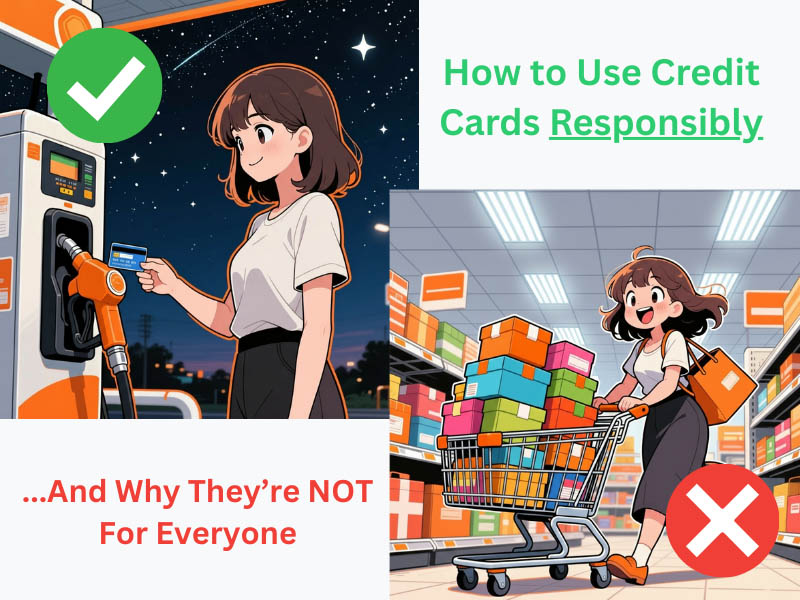
Credit cards are powerful financial tools that can either help or hurt your money goals. The difference comes down to how you use them.
Let’s be honest about the risks first. High-interest credit card debt can be disastrous for your financial well-being. One mistake can spiral into years of payments and interest charges that drain your budget.
Americans carry over $1 trillion in credit card debt, with average interest rates above 20%. A grim reality. That’s an awful lot of people who are falling behind on their financial goals. Credit cards aren’t right for everyone, and that’s perfectly okay.
The secret to using credit cards responsibly is this simple rule: A credit card is not a means to make a purchase you couldn’t afford to make with cash. If you’re not confident that you can treat credit spending like cash you already have, stick with debit cards. There’s no shame in avoiding a financial tool that doesn’t match your spending personality.
This guide is for people who’ve decided to use credit cards and want to do it correctly from day one. If you’re still unsure whether credit cards are right for you, that uncertainty might be your answer. Again, that’s okay.
Key Takeaways
- Credit cards aren’t right for everyone – and that’s okay
- If you’re not confident in your self-control, stick with debit cards
- High-interest debt can seriously damage your financial well-being
- For those ready to use credit cards responsibly, following simple rules prevents most problems
- The benefits are real, but only if you can follow the fundamentals
- Set up a payment routine, and make it a habit
How to Use Credit Cards Responsibly: The Golden Rule
The most important concept in responsible credit card use is simple: treat your credit card like a debit card you pay off immediately.
If you have any doubts about your ability to stick to these guidelines, there’s no shame in avoiding credit cards entirely.
Emergency Savings Before First Credit Card
This point cannot be overstated: a credit card is not a tool for paying emergency expenses. That’s what your Emergency Savings Account is for. If you have not yet established an emergency savings balance, you’re probably not ready for credit cards. Build your savings first.
The Debit Card Strategy
This means never spending money you don’t already have in your checking account. When you make a $50 purchase on credit, that $50 should already be sitting in your checking account, ready to pay off the charge. You’re not borrowing money – you’re using the credit card company’s payment system as a temporary middleman.
This single rule prevents virtually every credit card problem beginners face. You can’t accumulate debt on money you already have. You can’t get trapped by minimum payments on purchases you can immediately pay off.
Your Credit Limit Isn’t Your Spending Limit
Many beginners get confused by credit limits. A $2,000 credit limit doesn’t mean you should spend $2,000. It means the credit card company trusts you up to that amount, but your personal spending limit should be based on money you actually have.
Your budget is based on your income and savings, not your available credit. Set your mental spending boundaries before you start using credit, and stick to them religiously.
Smart Payment Timing That Prevents Debt
When you pay your credit card matters almost as much as paying it at all. The best practice is paying off purchases within days, not waiting until the monthly due date.
Why Pay Early?
Paying early keeps your spending visible and immediate. When you wait weeks to pay, you can lose track of how much you’ve spent. Small purchases add up, and suddenly your statement shows charges you forgot about. Paying frequently keeps your spending front and center in your mind.
Setting Up Smart Payment Systems
Set up automatic payments to ensure you never miss a due date, but don’t go on autopilot with your spending. Automatic payments handle the logistics – you still need to actively manage what you’re charging.
Some beginners benefit from weekly payment schedules. Every Friday, log into your credit card account and pay off the week’s purchases. This creates a routine that prevents surprises and keeps balances consistently low. The first time that weekly payment seems a little painful, you can take that as a sign that you overspent that week.
Use your credit card’s app to stay on top of due dates and spending. Most apps send helpful notifications about upcoming payments, current balances, and new purchases. These alerts help you stay engaged rather than ignoring activity until the bill arrives.
Understanding Your Statement Cycle
Your statement balance is what you need to pay to avoid interest charges. This might be different from your current balance if you’ve made new purchases since the statement closed. Always pay at least the statement balance in full to maintain your grace period.
The grace period is your 21-25 day interest-free window, but only if you pay the statement balance completely. Carry even a small balance forward, and you lose the grace period on new purchases.
No grace period means you start paying interest the day you make a purchase. That defeats the purpose of using the credit card.
Avoiding Interest Charges Like a Pro
Here’s something that might surprise you: your credit card’s APR doesn’t matter if you pay your statement balance in full each month. You could have a 29% APR and never pay a penny in interest charges.
Understanding Grace Periods
Interest only kicks in when you carry a balance from month to month. Even carrying $1 forward can eliminate your grace period and trigger interest charges on new purchases. This is why paying statement balances in full is non-negotiable for responsible credit card use.
Payment Timing Strategies
Build safety margins into your payment timing. Don’t wait until the due date – pay a few days early. This protects you from weekends, holidays, or processing delays that might make your payment late.
Set payment dates that align with your paycheck schedule. If you get paid on the 15th and 30th, schedule credit card payments for the 17th and 2nd. This ensures money is in your account before payments process.
What If You Make a Mistake?
If you accidentally carry a balance, don’t panic, but act quickly. Pay it off immediately and call customer service. Many credit card companies offer first-time courtesy interest reversals for good customers who make honest mistakes.
One mistake doesn’t ruin everything, but it should be a wake-up call to tighten your payment discipline.
Credit Card Rewards for Beginners
Rewards are nice, but they’re not the main reason to use credit cards responsibly. Building credit and learning good financial habits matter more than earning points or cash back. Think of rewards as a small bonus, not the primary benefit.
Choosing Your First Rewards Card
For your first credit card, choose simplicity over complexity. Flat-rate cash back cards that earn the same percentage on everything are perfect for beginners. You don’t need to track categories, activate bonuses, or learn complicated redemption rules.
Cash back beats points for most beginners because it’s straightforward. You earn 1-2% back on purchases and redeem it as statement credits or direct deposits. Points systems can be more valuable, but they’re also more complex and easier to mismanage.
The Beginner Strategy
Use your card only for existing expenses you’d pay anyway. Put gas, groceries, and recurring bills on your credit card instead of using cash or debit. This earns rewards on spending you were already doing.
Never spend more to earn more rewards. This defeats the entire purpose of responsible credit card use. If you’re changing your spending habits to maximize rewards, you’re doing it wrong. Rewards should come from your normal spending patterns.
Even basic rewards add up over time. Earning 1% cash back on $1,000 monthly spending generates $120 annually. That might not sound like much, but it’s free money for purchases you were making regardless.
Simple Redemption Strategy
Redeem rewards regularly instead of hoarding them. When you reach the minimum threshold to redeem your rewards, have that money deposited directly into your High-Yield Savings Account, where it can start earning interest. Reward balances that you sit on without redeeming for months don’t earn any interest at all.
Rewards on Emergency Purchases
Everybody is faced with the occasional emergency. Maybe your car needs an expensive repair, the laptop you need for work or school was stolen, or maybe you need to purchase a plane ticket to attend a funeral. These things happen, and as we mentioned earlier, that’s what your Emergency Savings Account is for.
But a Rewards Credit Card can work together with your Emergency Savings Account to take some of the sting out of that unexpected expense. Use the credit card to make the purchase, then use your savings balance to pay it off.
You’re not using the credit card to make a purchase you couldn’t otherwise afford. You’re using your emergency savings to pay for it. You’re just transacting the purchase on the card, using it as a “Middleman”.
This way, you’ve earned rewards on the purchase amount, you’ve taken advantage of the interest-free grace period by leaving the money to earn savings interest for a few weeks before withdrawing it to pay off the card, and you’ve done it all without going into expensive credit card debt.
Again, if you don’t trust yourself to use this strategy correctly, don’t try.
How Credit Cards Build Your Financial Future
Responsible credit card use builds your credit history, which affects far more than just future credit card approvals. Your credit score influences mortgage rates, auto loan terms, insurance premiums, and even apartment applications.
The Credit Score Factors
Payment history accounts for 35% of your credit score – the largest single factor. Making on-time credit card payments every month demonstrates reliability to future lenders. This history becomes more valuable as it lengthens over time.
Credit utilization affects 30% of your score. Keep balances low relative to limits – ideally under 10% for the best scoring impact. Length of credit history matters too, which is why keeping old credit cards open can benefit your score.
Long-term Benefits
The financial benefits of good credit are substantial:
- Thousands of dollars (even tens of thousands) saved on mortgage interest
- Hundreds saved on auto loan rates
- Lower insurance premiums across multiple policies
- Better approval odds for rentals and financing
Smart Building Strategy
Start small with credit building. Use your credit card for small, regular purchases like gas or groceries, then pay them off immediately. This creates a consistent pattern of responsible usage that builds your credit steadily.
Be patient – good credit develops over months and years, not weeks. Monitor your credit score regularly through your credit card app, but don’t obsess over small fluctuations.
Credit Card Pitfalls to Avoid
Dangerous Spending Mistakes
The biggest mistake beginners make is treating their credit limit like their budget. Just because you have $3,000 available credit doesn’t mean you should spend $3,000. Your budget is based on your income, not your credit limit.
Reward chasing can backfire spectacularly. Spending more money to earn rewards points defeats the purpose of responsible credit card use. If you’re buying things you wouldn’t normally purchase just to earn rewards, you’re losing money.
The minimum payment trap destroys financial futures. Paying only the minimum required amount keeps you in debt for decades and costs thousands in interest charges. If you can only afford minimum payments, you can’t afford to use credit cards.
Timing and Account Management Errors
Missing due dates triggers immediate consequences. Late fees typically range from $25-40, and payments more than 30 days late get reported to credit bureaus, damaging your score for years.
Applying for too many credit cards too quickly hurts your credit score and suggests financial desperation to lenders. Space applications at least six months apart.
Ignoring your statements is dangerous. Review every charge to catch errors, fraud, or forgotten purchases. Disputing errors quickly protects your money and credit.
Recovery Strategy
If you make mistakes, learn from them quickly. Call customer service to understand what happened and how to prevent it in the future. Most credit card companies work with customers who show genuine effort to improve their habits.
Success Timeline
First Month: Build the Foundation
Your first month should focus on establishing good habits. Set up automatic payments for at least the minimum amount due, and download your credit card app with notifications enabled.
Make your first small purchases and pay them off within a few days. This creates the habit of immediate payoff and helps you understand how your account works. Start with small amounts until the process becomes routine.
First Quarter: Establish Consistency
By your first quarter, you should have consistent payment patterns established. Review your first three statements to understand your spending patterns and ensure you’re staying within your means.
Check your credit score to see early improvements from on-time payments. Evaluate whether you’re truly staying within your budget or if credit is tempting you to overspend.
First Year: Assess and Optimize
By your first year, you should have solid payment history established and see meaningful credit score improvements. This is when you might consider whether you’re ready for a second credit card or an upgrade to a better rewards program.
Conduct an annual review of your credit card usage. Calculate total rewards earned versus any fees paid. Assess whether your current card still fits your needs or if better options are available.
The Bottom Line
Credit cards can be valuable financial tools when used with discipline and clear rules. The key is starting with the right mindset: they’re payment tools, not spending enablers.
If you’re confident you can treat credit cards like cash you immediately pay back, they offer genuine benefits. Credit building, purchase protection, fraud security, and rewards all work in your favor when you use them responsibly.
If you have any doubts about your ability to stick to these guidelines, there’s no shame in avoiding credit cards entirely. Debit cards, cash, and other payment methods work perfectly well for building wealth and managing money.
For those ready to proceed: start small, pay immediately, stay within your means, and build good habits before chasing rewards or advanced strategies. The discipline you develop with responsible credit card use builds financial skills that benefit every area of your money management.